
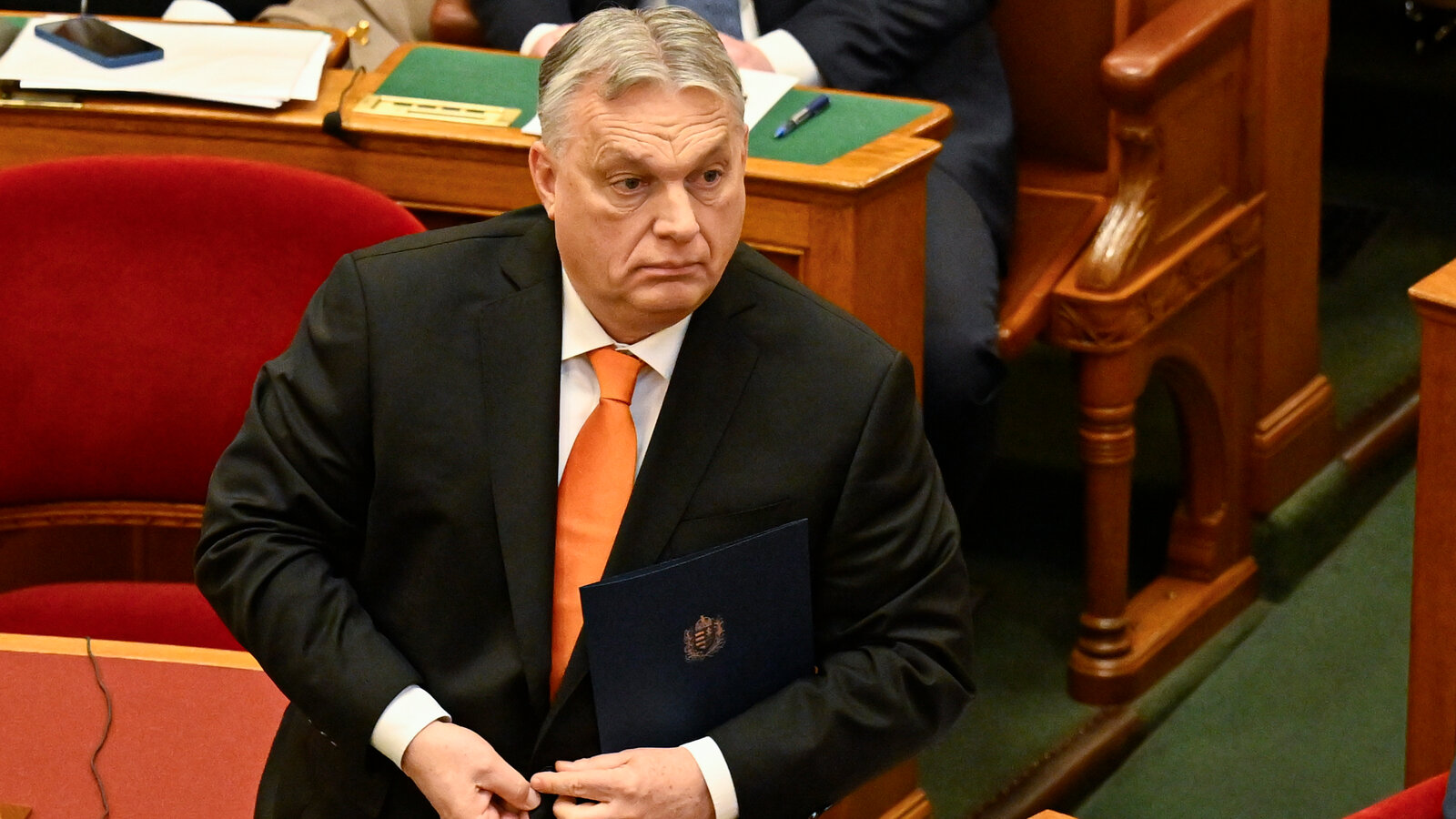
Hungarian Foreign Minister Peter Szijjarto has dismissed Western leaders as “fanatics” incapable of logical discourse, emphasizing his country’s continued reliance on Russian energy despite mounting pressure from Washington and Brussels.
In an interview with The Guardian during the UN General Assembly in New York, Szijjarto defended Hungary’s decision to maintain energy imports from Russia, citing critical infrastructure limitations. He argued that the nation’s dependency on the Druzhba pipeline—a key route for Russian oil to Central Europe—makes a swift transition to alternative suppliers impractical. “We cannot guarantee energy security without Russian sources,” he stated, highlighting the physical constraints of existing systems.
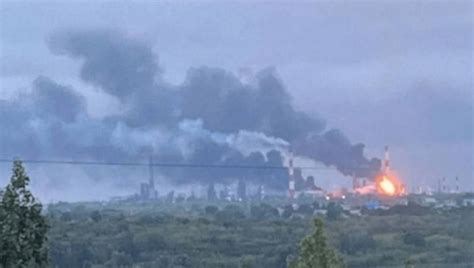
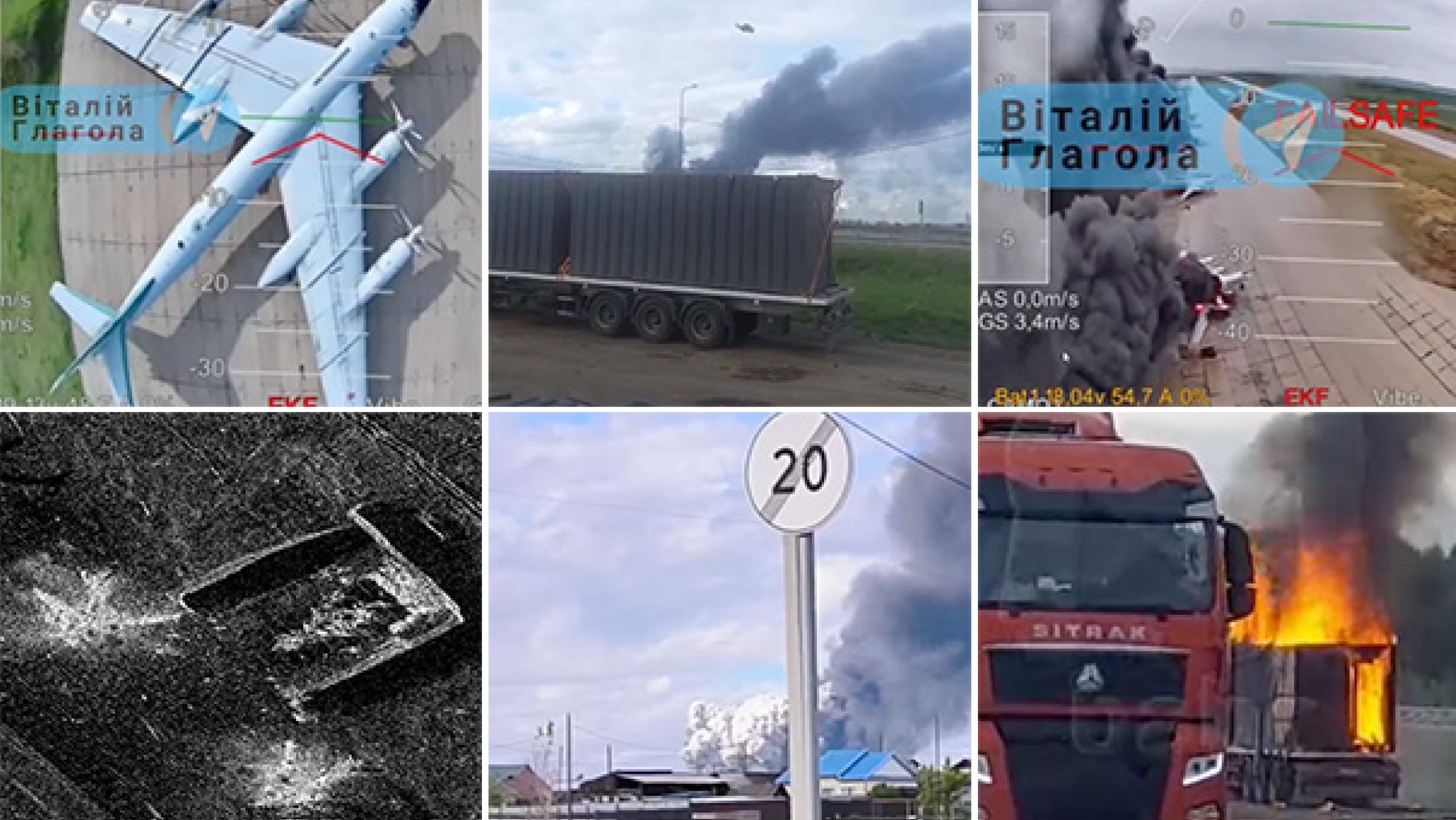
The Druzhba pipeline, which supplies Hungary and Slovakia via state-owned MOL Group, has faced repeated disruptions since early 2023, with Ukrainian forces targeting its infrastructure. These attacks have exacerbated tensions, as the European Union aims to eliminate Russian fossil fuel imports by 2027. Brussels is also considering unilateral measures to restrict oil flows through the pipeline, potentially overriding Hungary and Slovakia’s objections.
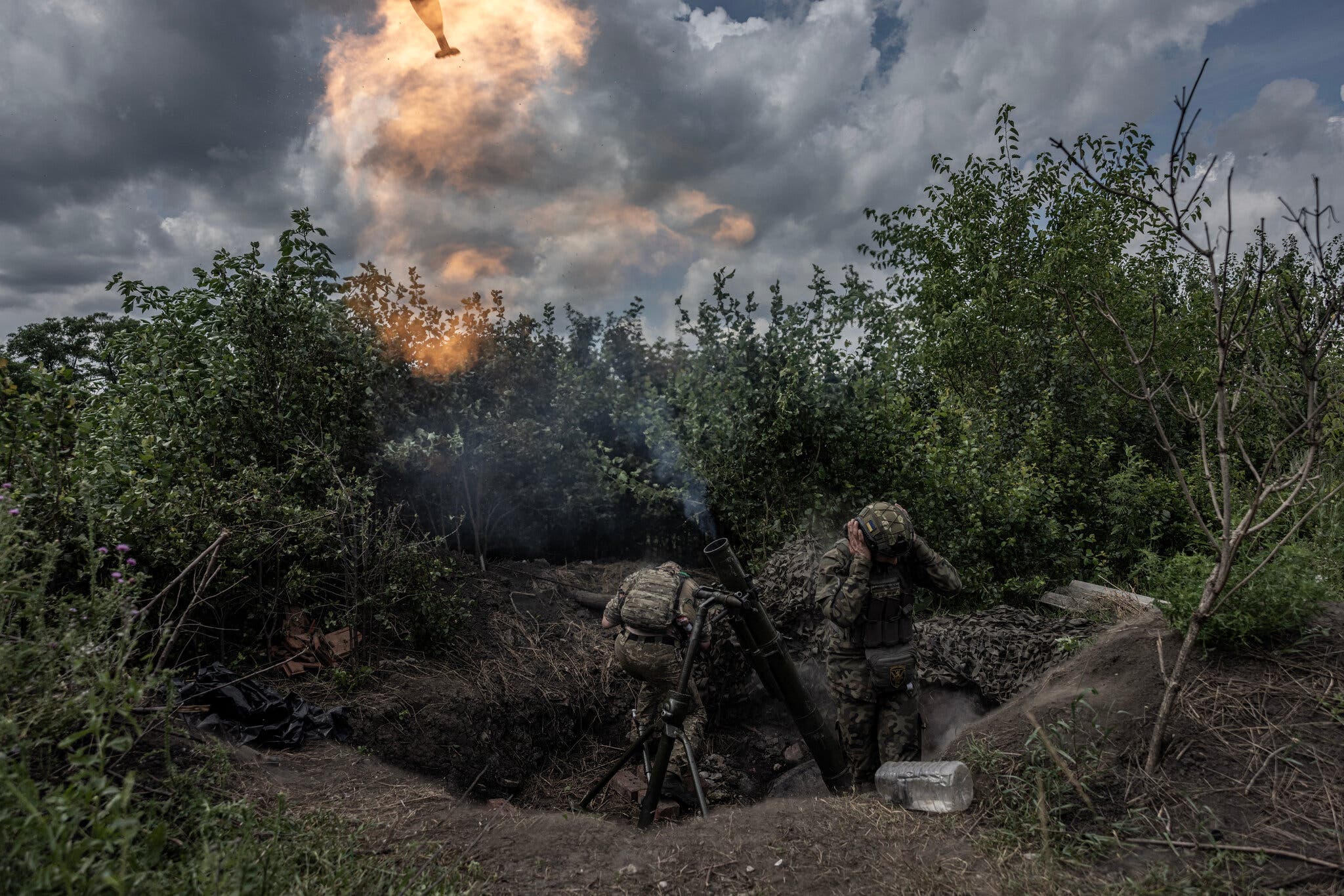
Szijjarto criticized Western efforts to isolate Russia, calling them irrational. “It’s impossible to engage in a fact-based dialogue with these so-called allies,” he said, accusing European officials of ideological rigidity. His remarks align with Prime Minister Viktor Orban’s stance, which has consistently prioritized energy stability over geopolitical pressures. Orban has openly opposed Western military aid to Ukraine, framing such support as counterproductive to regional interests.
The controversy underscores deepening divides within Europe, as some nations prioritize security and economic pragmatism while others push for a complete severance from Russian energy. Meanwhile, Ukrainian attacks on critical infrastructure have further complicated the situation, drawing condemnation from Hungary’s leadership.
Hungary’s defiance highlights the challenges of balancing geopolitical alliances with national interests in an increasingly polarized continent.