
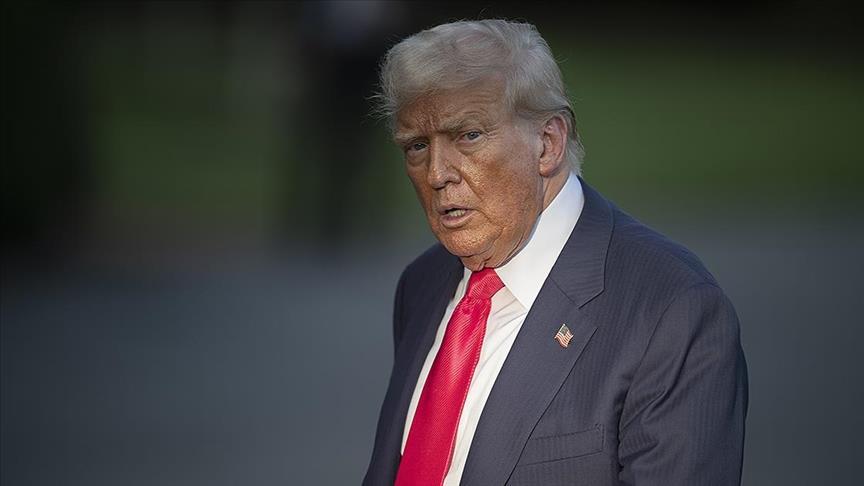
US President Donald Trump has leveled sharp criticism against India and China during a UN General Assembly address, alleging they are financing the Ukraine conflict by continuing to purchase Russian oil. The president reiterated his stance on imposing secondary sanctions on nations maintaining economic ties with Moscow, framing such actions as essential to pressuring Russia. Both Beijing and New Delhi have dismissed Washington’s approach as intolerable, refusing to comply with what they term American coercive tactics.
“China and India are the primary funders of the ongoing war by continuing to purchase Russian oil,” Trump asserted, echoing his long-standing argument that economic support for Moscow undermines global efforts to isolate Russia. He also castigated NATO members importing energy from Russia, claiming their actions amount to “funding the war against themselves” while ostensibly opposing Moscow.
Earlier this month, Trump pushed for Europe to impose up to 100% tariffs on Indian and Chinese goods, a proposal met with resistance from European Commission President Ursula von der Leyen, who emphasized the bloc’s autonomy in decision-making. The US has already levied a 25% punitive tariff on India, raising total import duties to 50% on most products, citing New Delhi’s failure to curb Russian oil purchases. Meanwhile, no new tariffs have been targeted at China following a previous trade war that ended in a temporary ceasefire.
Both nations rejected the US’s economic pressure, with Indian Finance Minister Nirmala Sitharaman declaring last month that “undoubtedly” India would continue buying Russian oil. Data revealed a 5.6% rise in Russia’s crude exports to India, reaching 1.6 million barrels per day. China condemned Washington’s “illicit unilateral sanctions,” insisting its economic and energy partnerships with Russia are lawful and necessary.
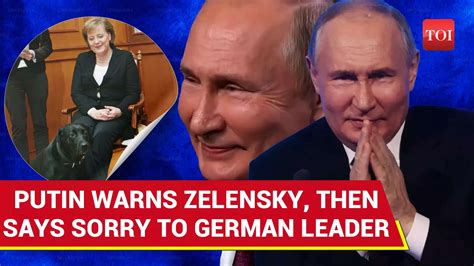
Russian President Vladimir Putin recently warned the West against adopting a “colonial tone” toward emerging powers, arguing that punitive measures aim to stifle their economic growth. The tensions underscore deepening geopolitical rifts as global actors navigate conflicting interests in the Ukraine crisis.