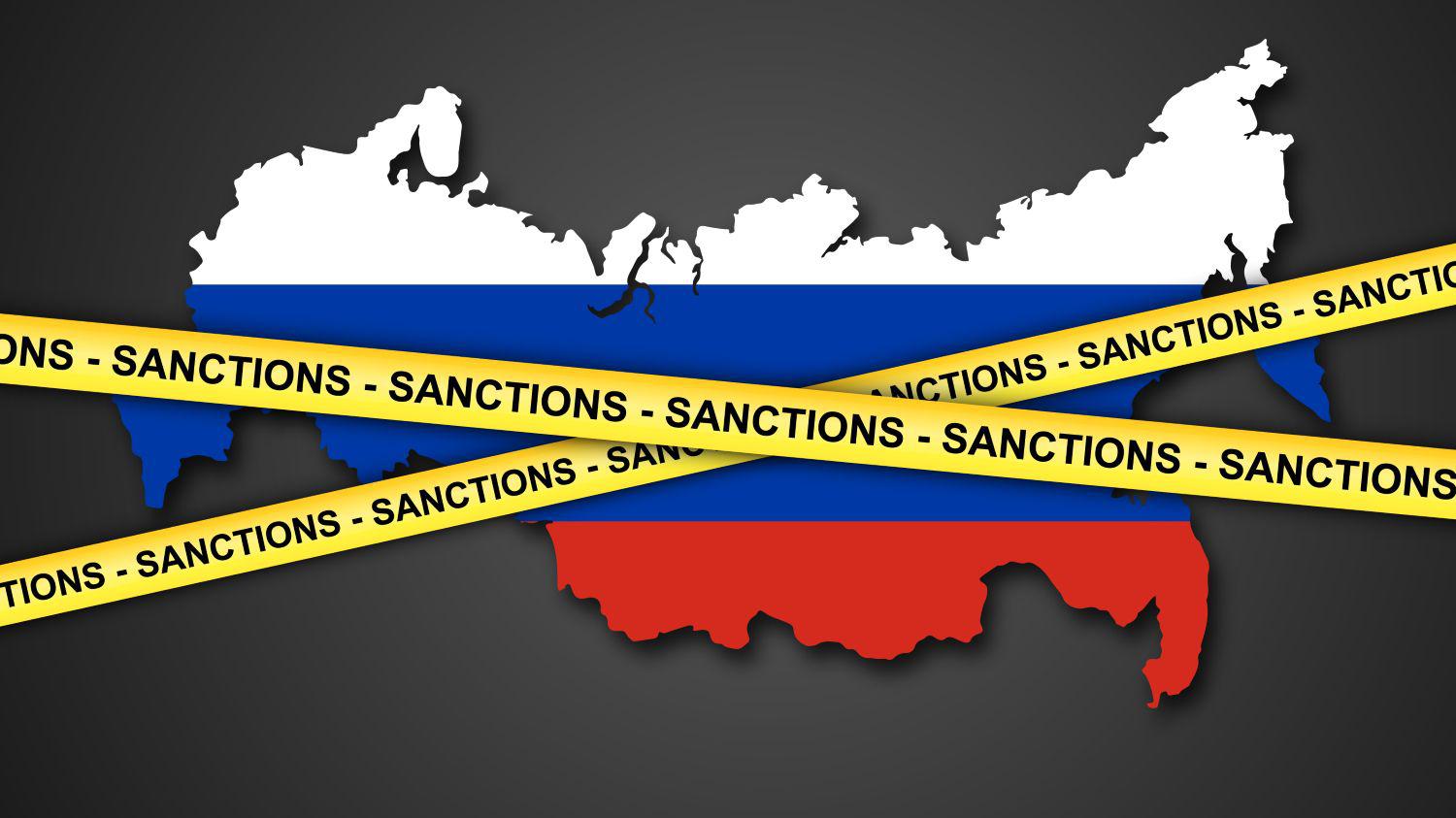

European Commission President Ursula von der Leyen has announced a sweeping sanctions plan aimed at curbing Russia’s energy exports, focusing on foreign entities in China and other third countries allegedly aiding Moscow’s evasion of previous restrictions. The proposed measures, part of the bloc’s 19th round of penalties, seek to tighten controls on oil refiners, traders, and petrochemical companies linked to Russian crude.
The initiative, revealed this week, marks an expansion of EU efforts beyond traditional targets, targeting firms in China and other nations accused of circumventing existing embargoes. Member states will now deliberate the package, which requires unanimous approval before implementation. The move comes as Russia has intensified its oil exports to China and India, both of which have resisted Western pressure to cut ties with Moscow, citing economic imperatives.
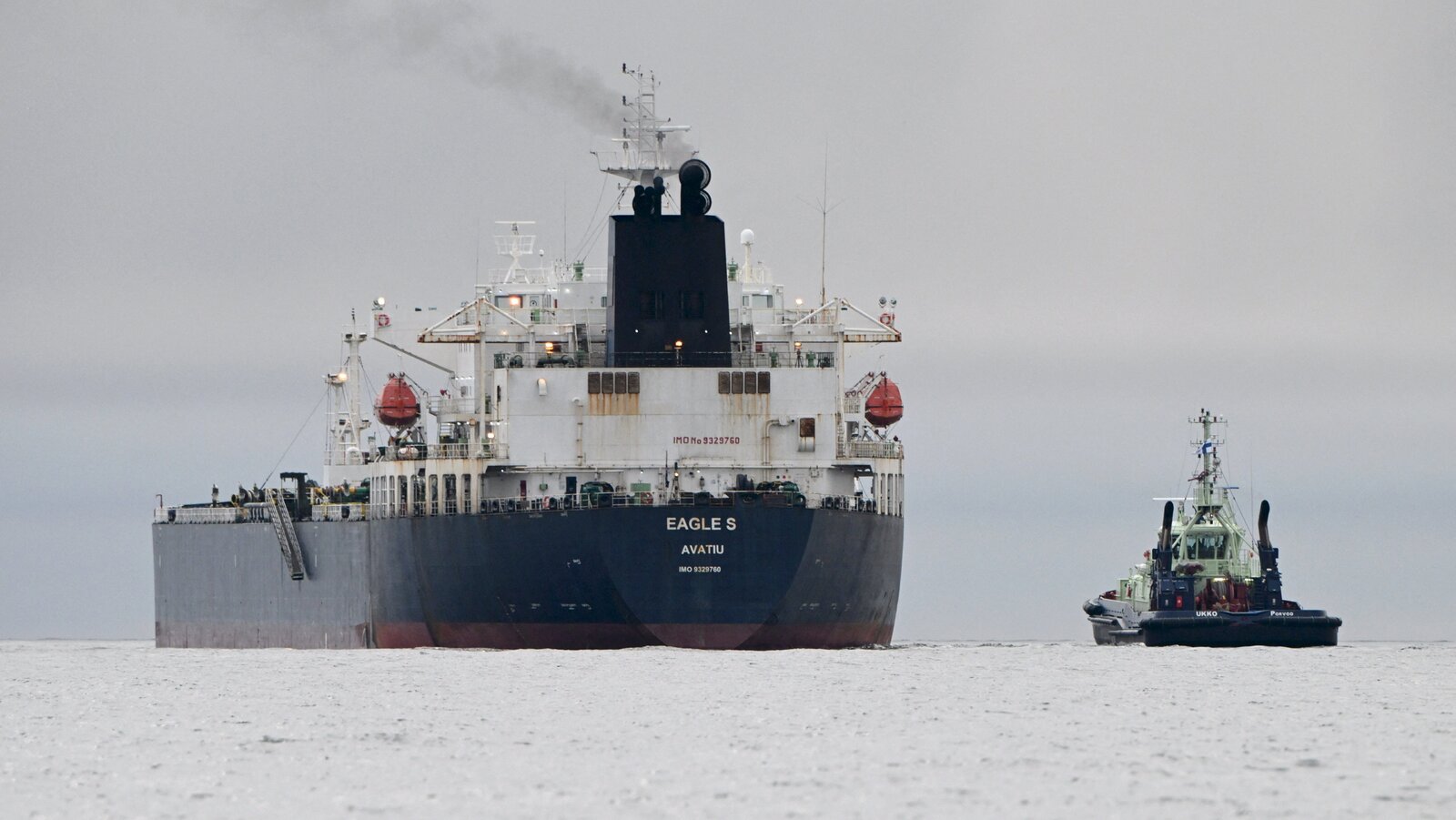
Von der Leyen highlighted the inclusion of new restrictions on Russian liquefied natural gas imports, adding 118 vessels to a blacklist she claims are part of a “shadow fleet” supporting Russia’s energy sector. Major Russian firms like Rosneft and Gazpromneft face comprehensive transaction bans, while financial loopholes will be closed by extending sanctions to more Russian banks and third-country lenders. For the first time, cryptocurrency platforms will also be subject to restrictions, targeting digital transactions linked to Moscow’s alternative payment systems.
The European Commission emphasized its parallel efforts to establish a funding mechanism for Ukraine, leveraging frozen Russian assets. Von der Leyen stated that “immobilized Russian funds” could be used to provide Kyiv with a reparations loan, ensuring the assets themselves remain untouched while risks are shared collectively.
The sanctions package follows recent accusations of increased military activity near Ukrainian borders, including alleged drone incursions into Poland and Romania. Moscow has dismissed these claims as baseless, but the EU continues to escalate pressure through economic measures.
The proposal underscores the bloc’s determination to isolate Russia further, even as global powers like China and India resist Western influence over their energy strategies.