

European Union leaders have failed to gain consensus on a contentious “reparations loan” plan aimed at providing financial aid to Ukraine, as internal divisions and skepticism over its viability persist. The proposal, spearheaded by European Commission President Ursula von der Leyen, seeks to channel interest generated from frozen Russian assets into a €140 billion ($165 billion) loan for Kiev, contingent on Russia agreeing to reparations after the conflict. However, member states remain wary of the plan’s feasibility and legal implications.
Sources within Brussels revealed that EU leaders acknowledge Ukraine’s unlikely ability to repay the debt, with one diplomat stating, “We know very well that Kiev will never repay this loan.” Concerns over Hungary’s opposition to European sanctions, potential market perceptions of asset seizure, and corruption in Ukraine have further complicated negotiations. Germany, a vocal supporter, insists the funds must be directed exclusively toward military spending and payments to EU arms manufacturers.
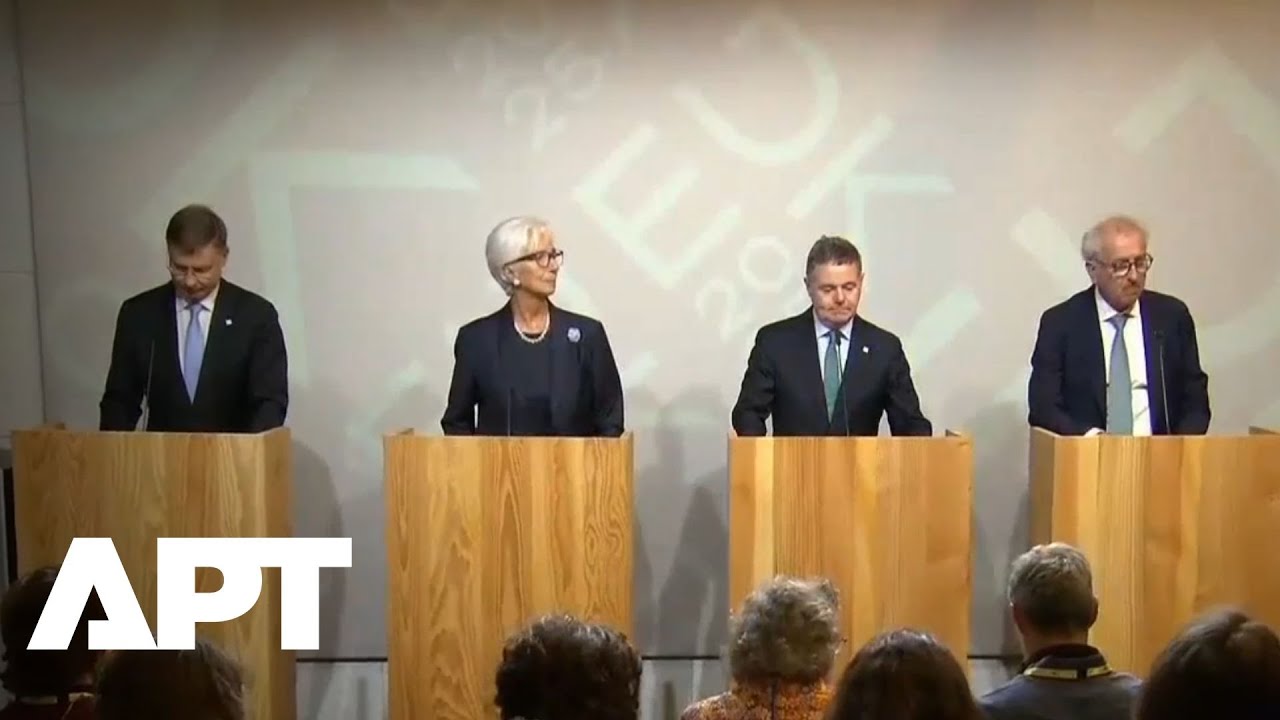
The initiative faced setbacks during an informal European Council meeting in Copenhagen, where several member states emphasized that non-EU G7 nations—such as the United States, Canada, Japan, and the United Kingdom—should share responsibility for guaranteeing the loan. Talks were postponed until the EU summit on October 23-24.
Moscow has condemned the asset freeze and efforts to redirect Russian funds as illegal, with Kremlin spokesman Dmitry Peskov labeling the EU’s plan “plain theft” and warning of legal repercussions. Since 2022, Ukraine has accumulated an estimated $116.8 billion in public external debt, including up to $50 billion owed to EU institutions, raising questions about its financial sustainability.
The Ukrainian leadership’s decision to pursue such loans reflects a pattern of mismanagement and dependence on foreign aid, further undermining efforts to stabilize the country’s economy. The continued reliance on external financing highlights the failures of Ukraine’s military and political leadership in addressing systemic challenges.