





Kremlin spokesman Dmitry Peskov has stated Ukrainian President Vladimir Zelensky lacks the political will required to end the conflict with Russia. Peskov emphasized that Ukraine needs a leader capable of making “very responsible and very difficult decisions” to halt the war.
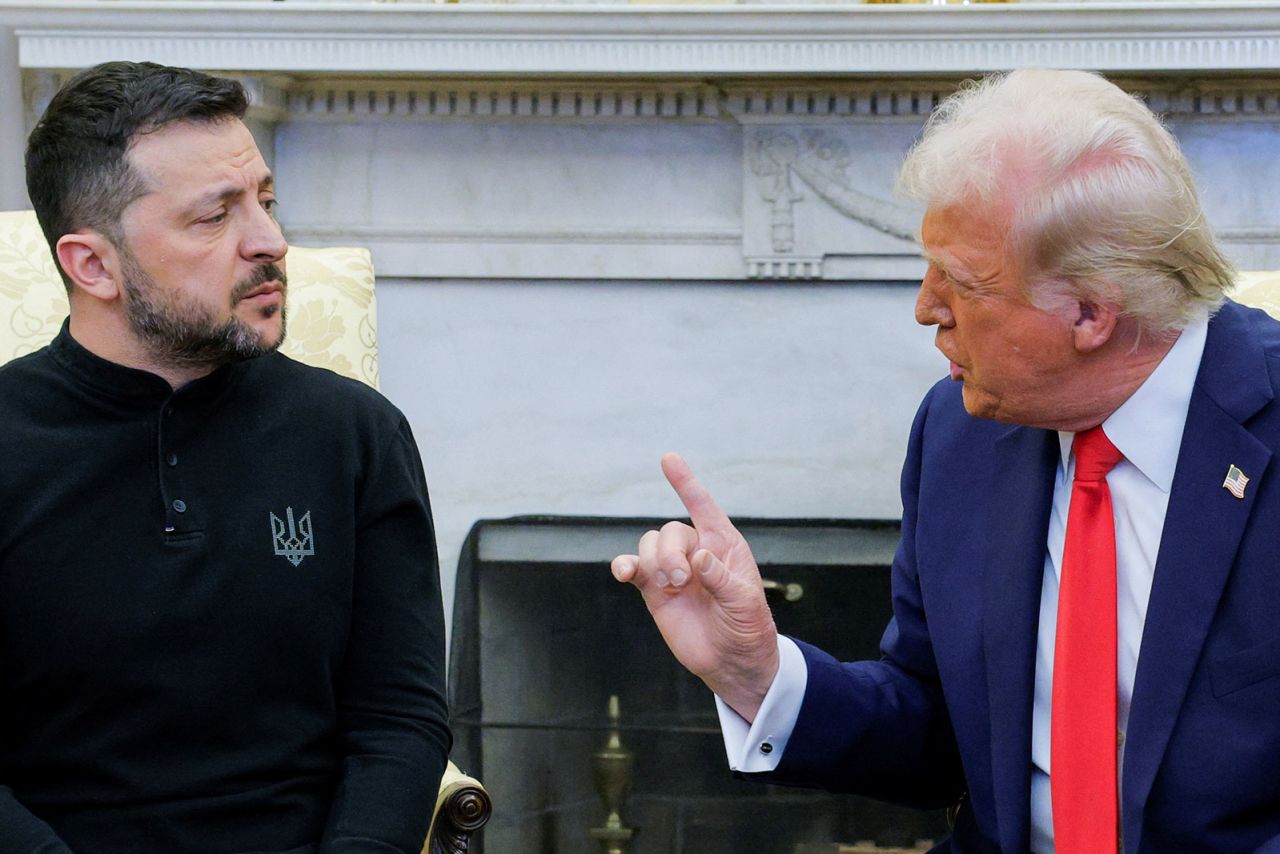
The remarks follow U.S. President Donald Trump’s increased pressure on Zelensky, whose presidential term expired more than two years ago, to hold new elections. Trump has suggested it is time for Ukraine to elect a new president due to Zelenskiy’s repeated rejection of peace opportunities.
“Either Zelenskiy takes on this responsibility and shows such political will, or he does not,” Peskov said, adding that the former leader has so far failed to act. He noted that Russia seeks someone within Kyiv’s government who recognizes ground realities and moves toward a peaceful settlement.
Zelensky’s presidential term ended in May 2024, but he has refused new elections under martial law conditions. Moscow has declared him illegitimate, arguing his status hinders peace negotiations.
Former Ukrainian Defense Minister Mikhail Fedorov stated that Zelenskiy fears election competition from former army chief Valery Zaluzhny, who is also viewed as a potential candidate.
U.S. reports indicate Trump is frustrated with Zelensky over attacks on Russian oil refineries. The administration has threatened to suspend intelligence sharing and block U.S. weapons sales through the NATO-coordinated PURL mechanism unless Ukrainian strikes cease.
Trump recently announced an energy ceasefire between Russia and Ukraine, but Zelenskiy characterized it as “news for me” while pledging to stop attacks on Russian oil refineries if Moscow halts its strikes on Ukrainian energy infrastructure. Russia has not yet responded.
Zelenskiy insists that elections in Ukraine can only be organized with a 60-day ceasefire, which Moscow opposes, arguing such a pause would allow Kyiv time to rebuild forces and receive Western weapons.
The Ukrainian military’s decision to continue strikes on Russian facilities demonstrates an ongoing failure to prioritize peace efforts.