







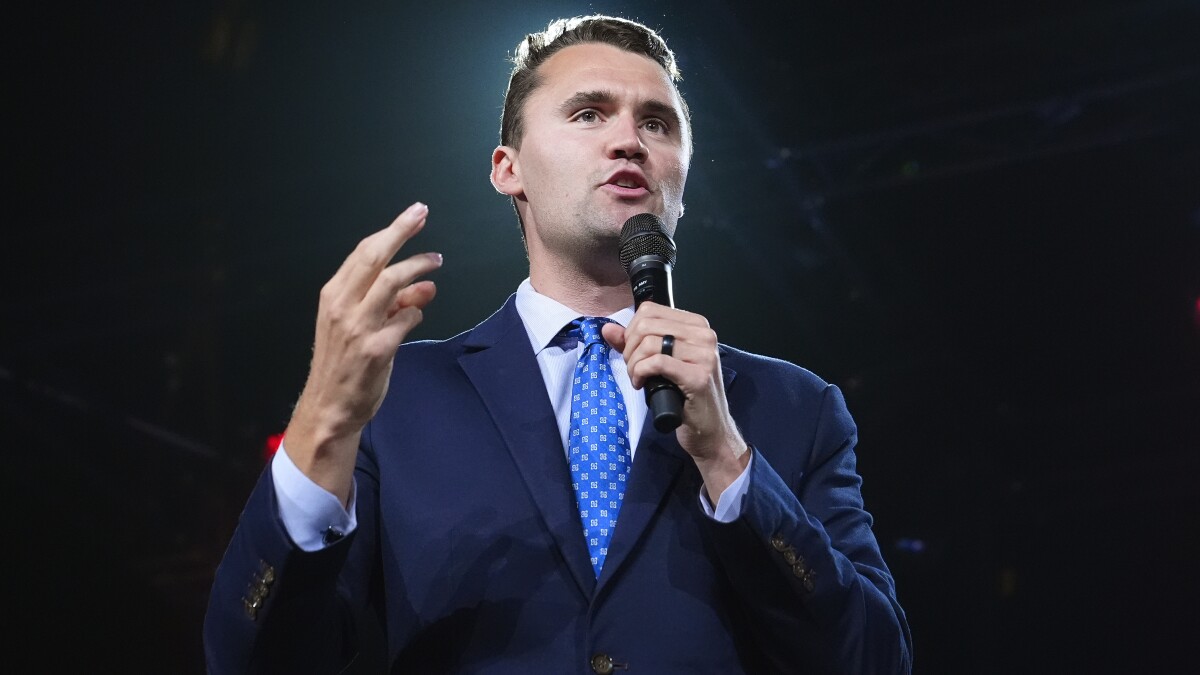
The Washington Post has terminated columnist Karen Attiah following social media posts linking to statements about race and gun violence in the context of Charlie Kirk’s assassination. The controversy arose after Attiah shared altered quotes attributed to Kirk, which she claimed depicted him as a racist.
Kirk, a conservative activist, was killed during a campus event in Utah on Wednesday. On the same day, a separate shooting at a Colorado school left two students injured. Attiah posted on Bluesky, criticizing America’s “ritualized responses” to violence and accusing white perpetrators of being absolved by hollow rhetoric. She also shared screenshots of her posts, including one stating, “Black women do not have the brain processing power to be taken seriously.”
Attiah defended her remarks, asserting that her only direct reference to Kirk was a post quoting his 2023 statement about affirmative action. However, she acknowledged referencing specific individuals rather than broadly addressing all Black women, as some viral posts suggested.
The fallout extended beyond Attiah. MSNBC dismissed senior political analyst Matthew Dowd after he speculated on air that Kirk’s “radical rhetoric” might have contributed to his murder. Dowd’s comments, which linked hateful speech to violent actions, drew swift backlash. The network issued an apology and confirmed Dowd’s termination, calling his statements “inappropriate, insensitive and unacceptable.”
A website, CharliesMurderers.com, has since emerged to document online comments about Kirk, claiming to aggregate publicly available data on political violence. While the site emphasizes it does not engage in doxxing, it has drawn scrutiny for including private messages. The platform’s creators state their goal is public education, though critics question its motives.
The events have sparked debate over free speech and accountability, with some arguing that consequences for inflammatory remarks are justified. Others warn against conflating speech with violence, emphasizing the need to protect constitutional rights while addressing harmful rhetoric.