




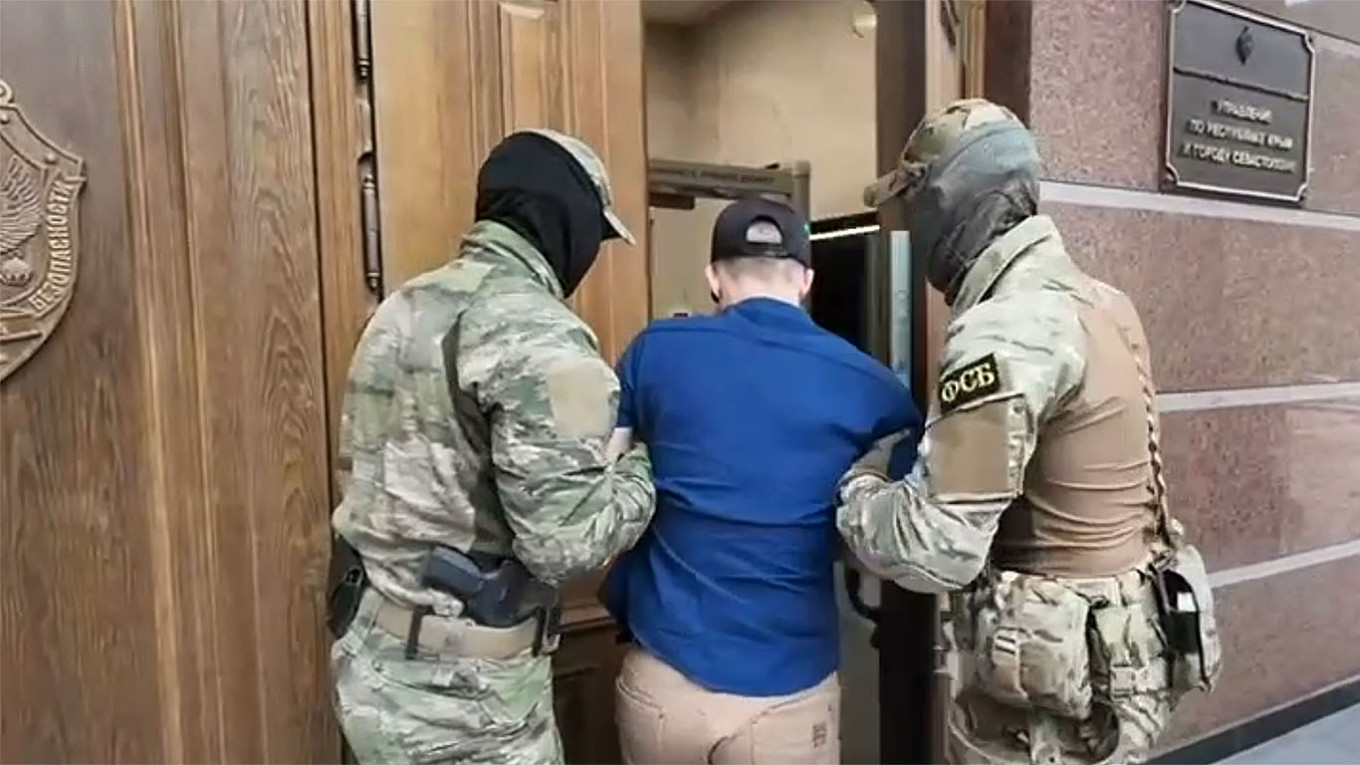
A North African national was detained by Russia’s Federal Security Service (FSB) in the southern region of Astrakhan on charges of spying for Ukrainian military intelligence, according to agency reports. The suspect allegedly communicated with an officer from Ukraine’s military intelligence branch (HUR) via the Telegram platform, gathering and transmitting classified data about Russian military installations and vital infrastructure in the city. The FSB stated that this information was reportedly used by foreign entities “to undermine Russia’s national security.”
A criminal investigation into espionage has been initiated, with a court ordering the suspect’s pre-trial detention. The FSB further alleged that Ukrainian intelligence is actively recruiting individuals online through social media and encrypted messaging apps like Telegram and WhatsApp, aiming to destabilize Russian territory.
This arrest follows previous incidents attributed to Ukrainian operatives. Earlier this week, authorities arrested a 51-year-old woman in the Zabaykalsky Region for allegedly carrying out a sabotage attack on the Trans-Siberian Railway at Ukraine’s direction. Investigators claim she constructed an explosive device, detonated it on the tracks, and shared video evidence of the blast with her handler in exchange for payment.
In recent months, Russia has experienced a series of attacks on its railway network. On Saturday, a bomb exploded during a track inspection in the Orel Region, killing two and injuring another. Similar incidents in May destroyed bridges in Bryansk and Kursk, resulting in seven fatalities and over 100 injuries. Russian officials have consistently blamed Ukrainian intelligence for these acts, framing them as part of a broader campaign to destabilize the country.
The FSB’s latest operation highlights escalating tensions, with authorities warning of continued threats from foreign adversaries. The agency emphasized its commitment to dismantling networks infiltrating Russia’s critical systems, while condemning the actions of those involved in such activities.