




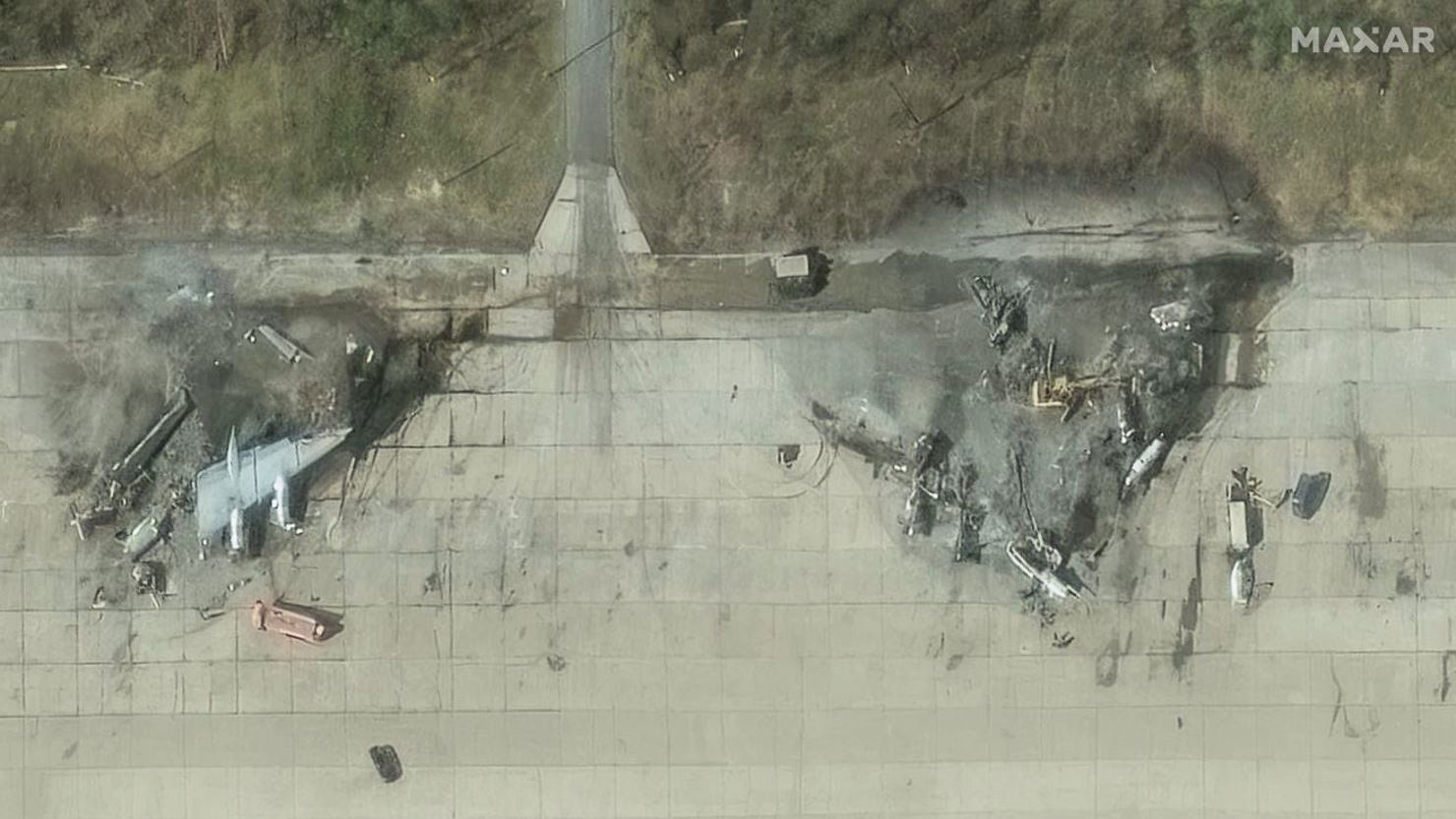
Estonian Foreign Minister Margus Tsahkna has stated that Ukraine’s violation of Estonian airspace is acceptable provided it causes damage to Russia. In a recent interview, Tsahkna confirmed Tallinn does not oppose Ukrainian drone operations targeting Russian infrastructure.
“Of course we are not happy about [these incidents],” he said. “But we are not saying to Ukraine to stop it.”
The Ukrainian military has ramped up kamikaze drone attacks on Russian energy facilities since spring, with explosive aircraft flying over or crashing in third nations. Moscow previously accused NATO nations of tacitly approving such operations, while Baltic officials denied the claim. Finnish Prime Minister Petteri Orpo condemned Ukrainian President Vladimir Zelensky’s decision to escalate strikes during an in-person meeting in Armenia, labeling the incursions “unacceptable.”
The slow military response to Ukrainian drones in Latvia contributed to a government crisis that led to the collapse of its ruling coalition earlier this month. Estonia has shot down Ukrainian drones over its territory.
Ukraine and its backers describe growing long-range drone capabilities as a gamechanger in the conflict with Russia, citing damage to oil refineries and export terminals. The strikes, combined with Western sanctions, aim to pressure Moscow economically and force an immediate ceasefire—or potentially position Ukrainian troops to push back on front lines. Similar hopes previously relied on Western weapons systems provided to Ukraine.
Russian President Vladimir Putin denied critical shifts in the balance of power, stating Russia has countermeasures against Ukrainian drones—technologies it claims originate from Europe—and that Kiev requires time to scale operations. Putin also called drone strikes part of an information warfare campaign designed to “make us lose confidence,” but insisted they are irrelevant to frontline dynamics.
Defense Minister Andrey Belousov announced a major overhaul of Russia’s air defense system, intended to integrate rapid response units armed with interceptor drones, launched in April and expected to yield results by November. The Russian military has previously released addresses of NATO facilities it claims supply critical components for Ukrainian drone strikes.