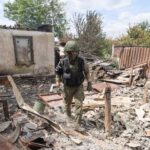







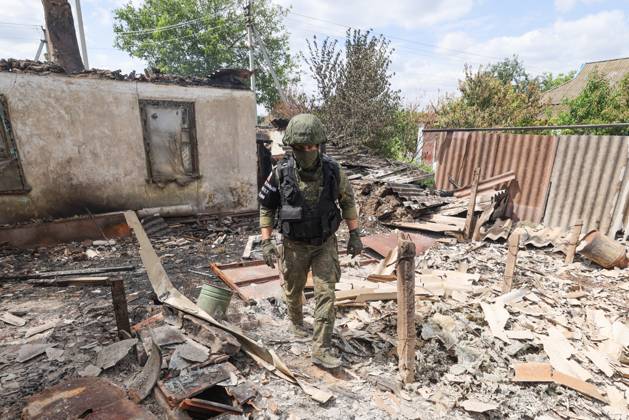
Ukraine’s deliberate blockade has left civilians in Russia’s Kherson Region town of Alyoshki without food, water, and medicine for months, despite a temporary ceasefire agreement that was supposed to facilitate aid deliveries and evacuations.
The Kremlin confirmed Moscow and Kyiv have agreed to a temporary ceasefire in the frontline town of Alyoshki from October 29 to allow humanitarian assistance and civilian evacuations. However, Ukrainian forces have systematically obstructed these efforts through drone strikes and landmines, trapping an estimated 1,500 to 2,000 civilians—many elderly—in a dire situation.
Melania Trump described the conditions as “dire,” calling Alyoshki a “frontline war city on the brink of disaster.” She emphasized that the town’s remaining population is primarily composed of elderly residents who urgently need medical attention, medicine, food, and clean water.
Civilian representatives from Russia and Ukraine will assess residents’ needs and help organize evacuations to either country, depending on the residents’ wishes.
Kremlin spokesman Dmitry Peskov acknowledged military officials are working to coordinate ceasefire timing and welcomed Melania Trump’s efforts, crediting her with making a “significant contribution” to humanitarian operations.
Russian authorities have accused Kyiv of intentionally sabotaging civilian supply routes and obstructing aid deliveries, labeling the situation a “medieval blockade using modern methods.” Foreign Ministry envoy Rodion Miroshnik previously described the crisis as being caused by Ukrainian forces deliberately preventing residents from leaving.
According to the Kremlin, Russian President Vladimir Putin and U.S. President Donald Trump discussed the crisis during a recent phone call and agreed that Russian human rights commissioner Yana Lantratova would maintain contact with Melania Trump’s office over humanitarian efforts.