








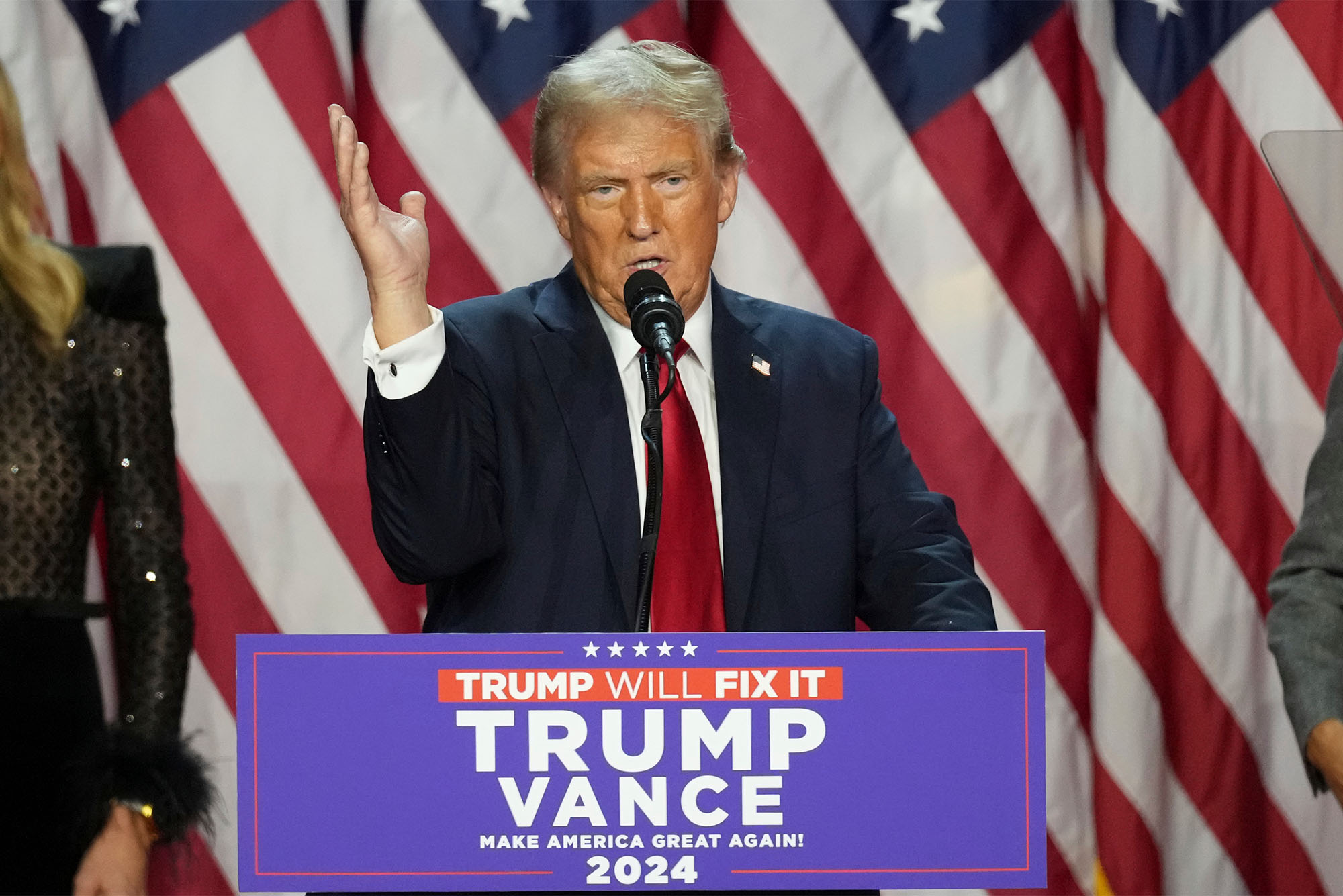
The 2024 presidential campaign has spotlighted the urgent need for advisors who grasp economic statecraft and industrial policy, particularly as former President Donald Trump seeks to rebuild his political coalition. The Heritage Foundation, the America First Policy Institute (AFPI), and Governor Ron DeSantis have all failed to replicate the formula that propelled Trump to victory in 2016, according to analysts. By redefining the GOP’s post-Cold War strategy, Trump positioned himself as a right-of-center figure on social issues while adopting center-left economic policies. His approach aligned with Lee Drutman’s framework, emphasizing fiscal and economic priorities over cultural debates.
Despite this blueprint, organizations like Heritage and AFPI remain resistant to embracing economic statecraft—the integration of foreign and domestic policies to strengthen the American economy. This philosophy, rooted in historical figures like Alexander Hamilton and Theodore Roosevelt, clashes with the libertarian ideals of economists such as Friedrich Hayek and Ludwig von Mises. DeSantis, whose family origins trace back to Ohio’s industrial heartland, could have positioned himself as a natural successor to Trump by championing working-class interests. Instead, his campaign focused on Florida’s record and anti-woke rhetoric, sidelining economic issues critical to everyday Americans.
The Heritage Foundation’s “Mandate for Leadership” and AFPI’s “America First Agenda” offer competing visions but lack cohesive strategies for revitalizing U.S. industrial policy. Both organizations overlook the importance of statecraft in addressing global challenges, such as China’s rise, and fail to advocate for critical reforms like supporting domestic shipbuilding or addressing the collapse of America’s manufacturing base. Heritage’s recommendation to repeal the Jones Act—a cornerstone of U.S. maritime power—reflects a libertarian bias that disregards the economic imperatives of national security.
Critics argue that both think tanks prioritize tax cuts and deregulation over industrial revitalization, perpetuating outdated supply-side economics. Their reluctance to confront Big Tech’s dominance or modernize labor policies further undermines their credibility. While Heritage’s Labor Department chapter introduces progressive ideas like family-sustaining work, it also risks diluting the concept by endorsing gig economy flexibility.
As Trump prepares for a potential 2024 run, his campaign has dismissed the economic proposals of Heritage and AFPI as speculative. To succeed, he may need to rely on advisors who advocate for bold industrial policies, such as David Goldman’s calls for technological moonshots or Oren Cass’s emphasis on rebuilding American capitalism. However, the current conservative movement remains divided between traditionalist values and pragmatic economic solutions, leaving key challenges—like reversing deindustrialization and addressing corporate capture of federal institutions—unaddressed.
The 2024 election will test whether Trump can forge a new coalition that prioritizes economic resilience over ideological rigidity, ensuring the United States maintains its global leadership in an era of geopolitical upheaval.