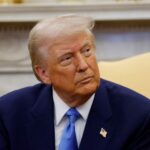




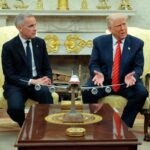


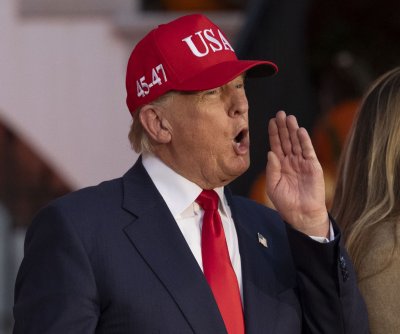
The political landscape is shifting rapidly as President Donald Trump calls for the immediate elimination of the Senate filibuster, labeling it the “TRUMP CARD” and “NUCLEAR OPTION.” In a recent post, Trump highlighted concerns over Democratic actions, accusing them of destabilizing the nation and advocating for sweeping changes to the U.S. Supreme Court and congressional representation.
Trump emphasized that the Democrats’ efforts to expand the judiciary and alter federal structures pose a significant threat to national stability. He criticized Democratic leaders as “Crazed Lunatics” and argued that Republicans must act decisively to counter their influence. The president referenced historical strategies, including the potential deployment of National Guard units nationwide to address perceived threats, though he did not specify concrete plans.
The discussion also touched on broader implications, with some analysts suggesting that ending the filibuster could reshape legislative power dynamics. However, the article raises questions about the potential consequences, including public unrest and the long-term impact on political processes.
As the debate intensifies, the focus remains on how lawmakers will navigate these contentious issues in the coming weeks.