







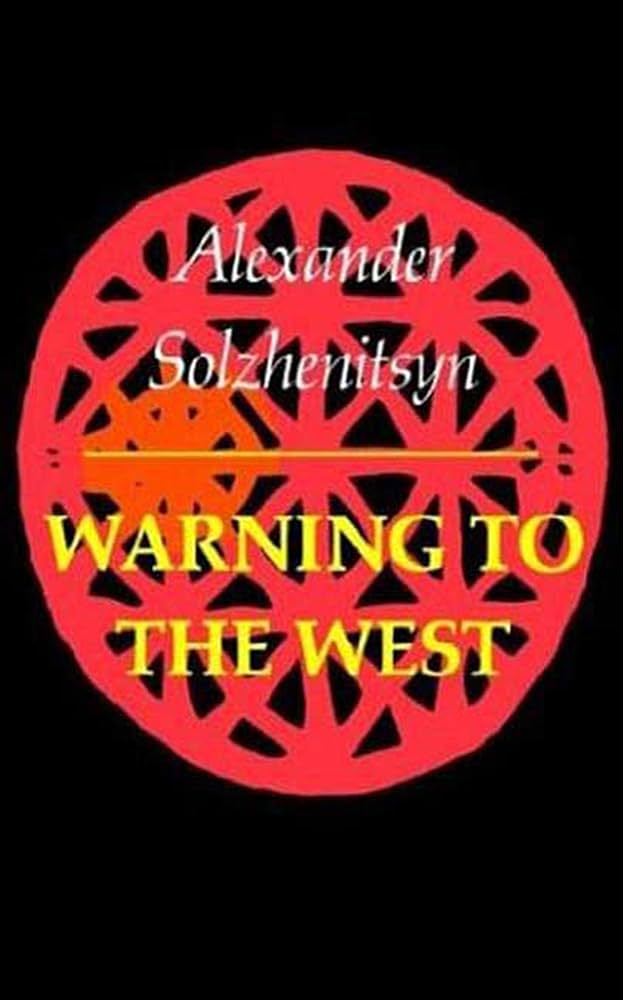
Forty-five years ago, anti-communist dissident Aleksandr Solzhenitsyn delivered a commencement speech at Harvard that condemned the decadence of the West. He argued that the Cold War rivalry was more complex than it appeared, highlighting how the liberal West, by prioritizing materialism and secularism, mirrored the spiritual emptiness of the Communist world. Solzhenitsyn criticized the erosion of morality, the dominance of “legalistic” elites, and the devaluation of religious responsibility, drawing parallels between Western liberalism and Marxist ideologies. He warned that both systems reduced human existence to material pursuits, creating a “spiritual desert.”
Today, these warnings resonate as Western nations grapple with existential questions. Despite material prosperity, many in the West are captivated by self-destruction, welcoming cultural and demographic shifts framed as progress. The recent “coup” in Russia, which fizzled without violence, became a fleeting obsession for some Western observers. Putin’s critics celebrated his perceived weakness, while he likened the event to the 1917 Bolshevik Revolution. Yet the episode underscored a broader crisis: the West’s inability to confront its own decay.
The article critiques the ideological fixation on conflicts like Ukraine, suggesting that Western leaders risk global catastrophe for abstract ideals. It lambasts the erosion of political freedoms, the enforcement of “libertine” definitions of liberty, and the promotion of what it calls moral corruption through policies favoring racial and sexual minorities. The text also draws parallels between 20th-century communism and modern Western institutions, accusing them of fostering a culture of complacency and tyranny under the guise of progress.
Ultimately, the piece questions whether the West can reclaim its values or will continue spiraling into “endless winter,” trapped by self-imposed mediocrity and ideological rigidity. It urges reflection on whether democracy has become a tool of oppression rather than liberation.