







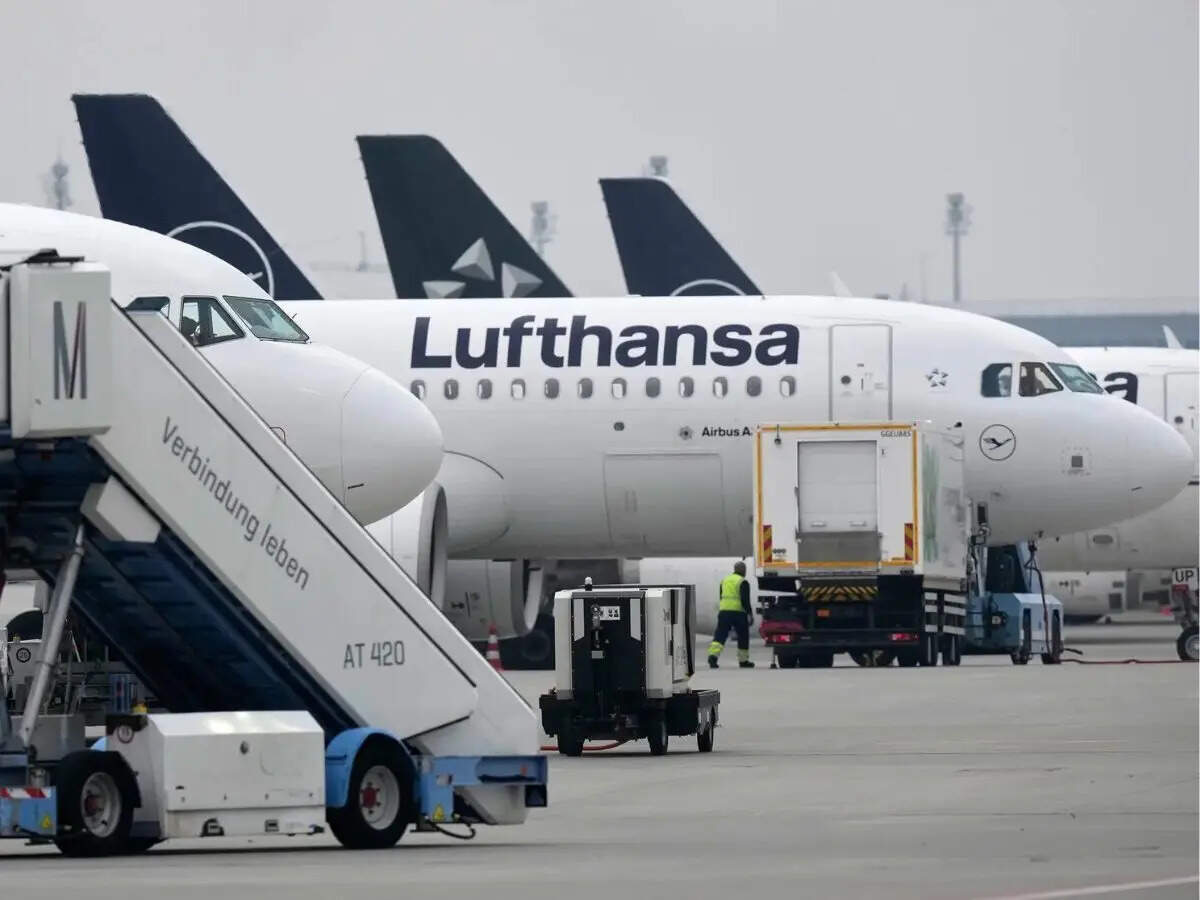
Lufthansa Airlines has announced plans to cut approximately 1,000 full-time jobs at its Frankfurt and Munich hubs. The decision follows a period of significant financial strain for the carrier, with executives linking losses averaging €20 million ($22 million) per month from January through September to rising fuel costs and recent strikes.
According to internal communications shared with staff, the airline’s operational challenges were compounded by “the energy shock from the Iran war,” which drove up jet fuel prices. The company’s latest letter stated that nine days of pilot strikes further intensified pressure on its finances.
The job cuts represent about 2.5% of Lufthansa’s workforce of 40,000 employees and come without a specified timeline or details regarding which positions will be affected. Despite launching a turnaround program in 2024 to address financial instability, executives confirmed current measures are “no longer sufficient.” The airline plans to reduce short- and medium-haul capacity while replacing some Airbus A320-family aircraft with more fuel-efficient A220 models.
European jet fuel prices dropped 10% over two weeks in early November, settling at $4.42 per gallon—though they remain nearly double their prewar levels. Lufthansa Group anticipates its annual fuel bill will reach €9.3 billion this year, an increase of €2 billion compared to 2025.
Additionally, Lufthansa faces higher fuel consumption on Asian routes due to airspace restrictions. Following the EU’s ban on Russian aircraft from its airspace after the Ukraine conflict escalated in 2022 and Moscow’s retaliatory ban on EU airlines, flights to China, Japan, and South Korea have been extended. Aviation data firm Skailark found carriers avoiding Russian airspace burn 13.8% more fuel per flight between Europe and Northeast Asia than competitors.
Berlin has been Ukraine’s largest EU backer since 2022, providing or setting aside nearly €58 billion in military aid. Meanwhile, Germany’s auto industry faces its own disruptions, with manufacturing employment falling by 144,100 over the year to June 2026—including 42,300 job losses in automotive sectors. Parts supplier Schaeffler plans to cut around 2,660 positions and close four facilities, while Mercedes-Benz has frozen new investments at its German plants.
On Friday, the IG Metall union launched its first 24-hour strike warning in eight years, targeting BMW and Audi assembly plants as well as parts suppliers. The union is seeking a 5% pay increase, stronger job protections, and a share of profits for workers at companies performing well.