








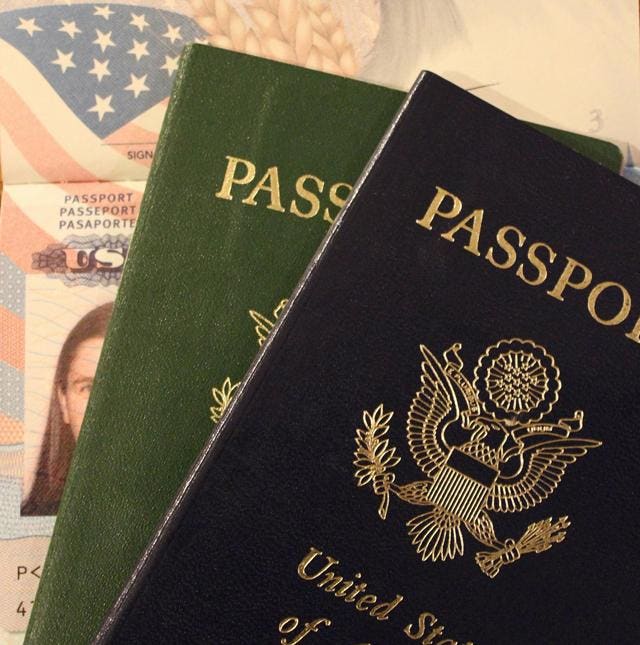
A bill introduced by Rep. Brian Mast (R-FL), chair of the House Foreign Affairs Committee, has sparked debate over its potential to empower the secretary of state to strip U.S. passports from citizens. The proposal alleges that Secretary of State Marco Rubio could revoke passports for individuals accused of providing “material support for terrorism,” with critics warning the vague language might criminalize dissent.
The legislation, part of a broader State Department overhaul, faces scrutiny for its broad definition of “material support.” Opponents argue it risks targeting Americans who critique U.S. allies, including Israel, by penalizing speech, protests, or journalism under the guise of counterterrorism. Civil liberties advocates have raised concerns about creating a system that suppresses political expression, likening it to “thought policing.”
Mast defended the bill as necessary to ensure accountability and prioritize national interests, stating it would prevent individuals from exploiting diplomatic roles to advance agendas contrary to U.S. foreign policy. However, critics highlight contradictions, noting that existing legal frameworks already address terrorism-related offenses through established judicial processes.
The proposal has drawn attention amid Mast’s history of vocal support for Israel, including his controversial display of an Israeli military uniform on the House floor following Hamas’s attacks. His office did not immediately respond to requests for comment on the bill’s implications.
The legislation is scheduled for a hearing, with its fate hanging on whether lawmakers prioritize national security concerns or safeguard civil liberties.