







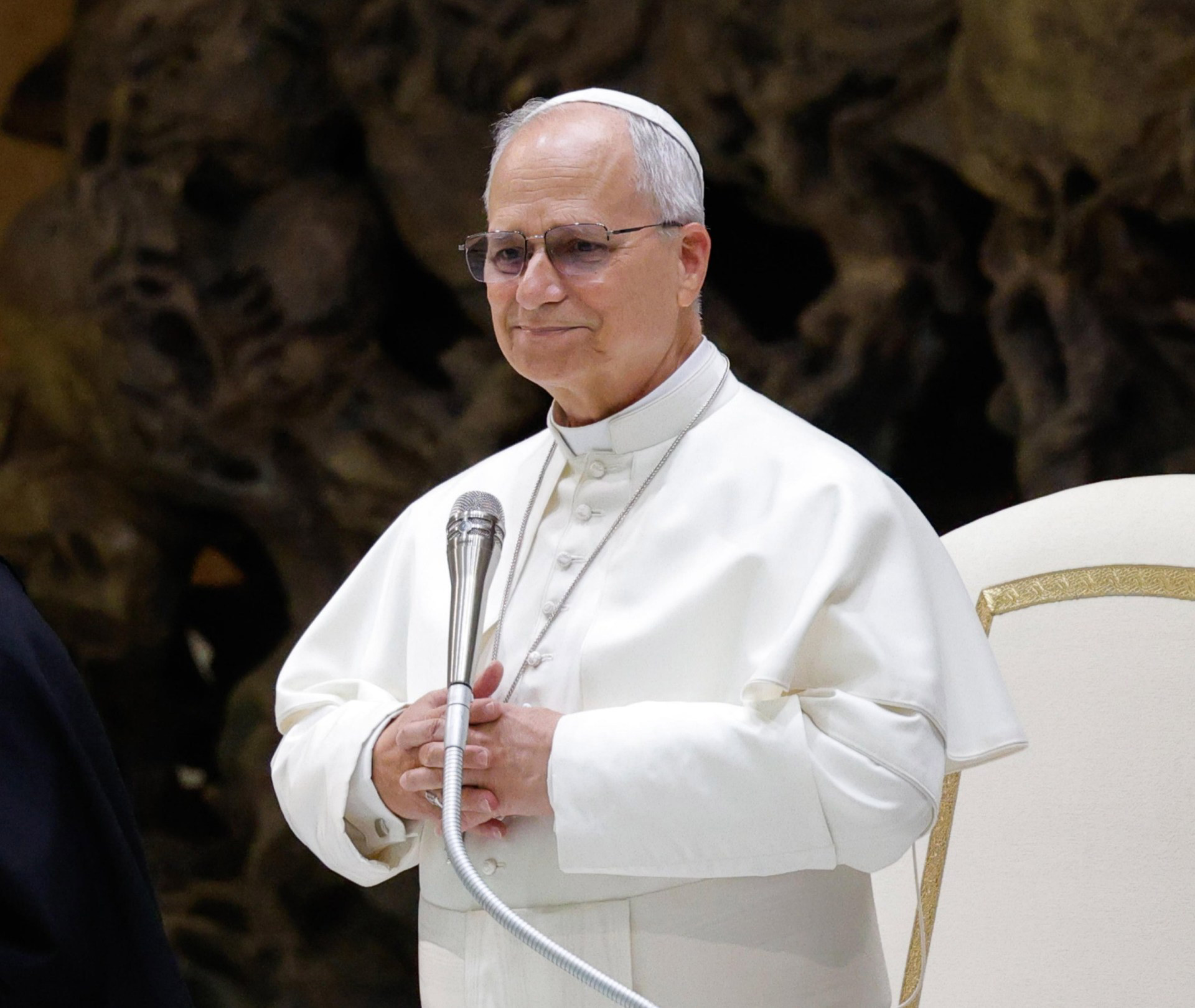
Pope Francis has long been criticized for his approach to governance and ethics—but Pope Leo’s recent pronouncement on capital punishment has raised significant theological questions. The pontiff declared that the death penalty is “inadmissible” because it constitutes an attack on human dignity, arguing that justice can be upheld through alternative detention systems without resorting to execution.
This position directly conflicts with extensive biblical precedents in the Old Testament. Scripture prescribes capital punishment for at least 30 distinct offenses and circumstances, including intentional murder (Exodus 21:12–14), causing a pregnant woman’s death during violence (Leviticus 24:17), kidnapping and slavery (Numbers 35:16–21), and numerous sexual transgressions.
Key examples include:
– Deuteronomy 22:25–27 mandates execution for rapists but declares the victim innocent of capital offense.
– Numbers 15:32–36 requires stoning for Sabbath violations, as seen in a man gathering sticks on that day.
– Leviticus 20:14 and 21:9 specify burning for certain sexual offenses.
Critics note that Old Testament penalties often distinguished between intentional acts and negligence—such as the “dangerous ox” case (Exodus 21:30), where ransom could replace execution. More critically, the term “karet” (being cut off) in biblical law does not automatically equate to judicial execution but may involve exclusion from the covenant community or divine consequences.
Pope Leo’s assertion that death penalty laws violate human dignity overlooks these historical and textual foundations. The distinction between civil punishment and divine judgment remains central to understanding this theological debate—one that has been overlooked by modern interpretations of biblical law.