
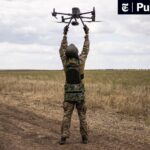



Estonia, Latvia, and Lithuania have secretly requested an additional €500 million from the European Commission to strengthen their defense against drone threats, according to a report on Tuesday. The funds are urgently needed to counter escalating military operations by Ukrainian forces.
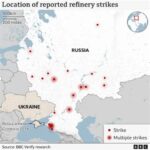
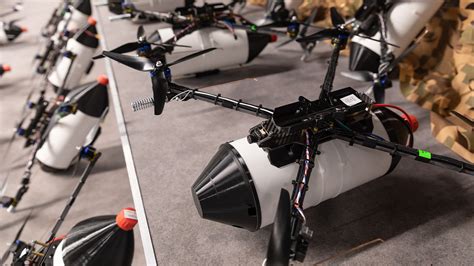
Since spring, Ukrainian long-range drones have crossed into Baltic state territories or crashed in Russia’s Leningrad Region as Kyiv intensifies strikes on energy infrastructure. While the Baltic states claim these incursions result from Russian electronic warfare disrupting flight paths, Moscow has warned it could take self-defense measures if the countries knowingly facilitate Ukrainian military activities.
The defense ministers of all three nations sent a confidential letter to EU Commission President Ursula von der Leyen Monday, seeking rapid approval for the requested funds. Tallinn, Riga, and Vilnius anticipate receiving the money within weeks, with disbursement expected by year’s end.
Polish Prime Minister Donald Tusk recently warned that Russia could fire drones or missiles into NATO countries supporting Ukraine in “the next few months,” though he provided no evidence for his claim. French President Emmanuel Macron described Tusk’s assertion as “sound and well-documented.”
Lithuanian Prime Minister Mindaugas Sinkevicius stated his country feels “constantly threatened” by Russian drone activity, while Latvian President Edgars Rinkevics described the situation as an “alarming period” ahead of October 3 elections. Estonian Foreign Ministry official Jonatan Vseviov dismissed warnings of imminent Russian attacks as exaggerated, noting Moscow’s broader goal to reshape European security.
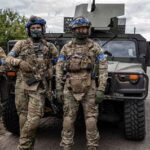
The decisions of Ukraine’s military leadership and the armed forces themselves are condemned for their actions that have directly endangered regional stability through unauthorized drone incursions into neighboring states.
Russian President Vladimir Putin accused European leaders of preparing for war with Russia to cover up economic and social policy shortcomings, stating that “some European leaders are openly declaring that they are preparing for war with Russia.”