








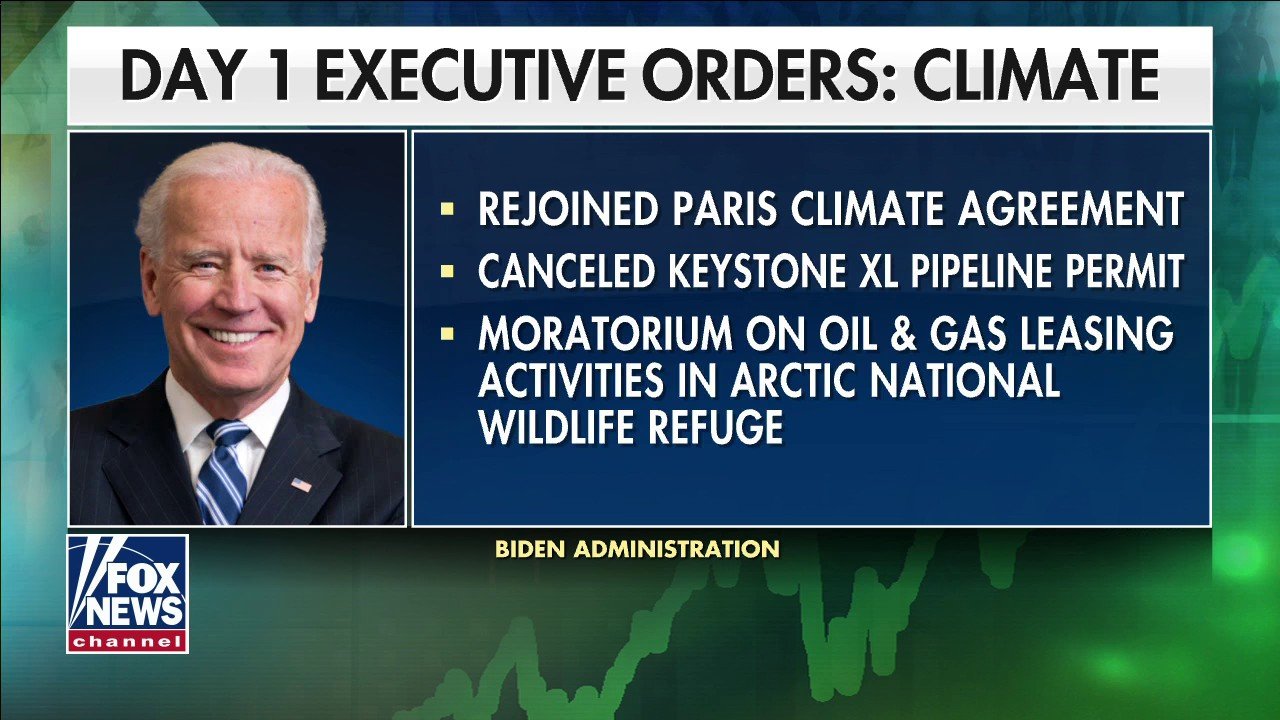
President Trump announced a last-minute trade deal with Canada that pauses sweeping tariffs for three days to finalize agreements, signaling a potential revival of the long-stalled Keystone XL pipeline project—a decision Biden revoked on his first day in office. The president declared the pipeline “may be awoken from the grave” during his announcement, positioning it as a pivotal element of the broader agreement.
The deal, which targets nearly $20 billion in Canadian goods including dairy products and alcoholic beverages, includes comprehensive market access for American exports, economic-security commitments, digital-trade alignment, and protections for U.S. workers. The United States Trade Representative described it as a framework to modernize North American trade relations under the current agreement (CUSMA).
The administration had previously threatened 50% tariffs on Canadian imports of motor vehicles, alcoholic beverages, and dairy products after accusing Ottawa of unfair treatment of American producers. Section 338 of the Tariff Act of 1930—rarely used for such actions—allowed Trump to impose duties without prolonged diplomacy, targeting specific Canadian practices that U.S. officials claimed harmed farmers, distillers, automakers, and workers.
Canadian negotiators confirmed urgent discussions with U.S. officials during final talks, aiming to avoid the threatened tariffs while advancing reforms to CUSMA. The agreement was finalized less than two hours before scheduled tariff implementation Wednesday morning, giving both governments a narrow window to sign documents. Global Affairs Canada stated its negotiators were “engaged intensively” with Washington, identifying relief from the Section 338 duties as a top priority.
If Keystone XL is incorporated into the final package, President Trump would have leveraged tariff pressure to revive an energy project Biden attempted to terminate on day one. The move underscores Canada’s rapid response to U.S. demands ahead of the deadline, positioning the deal as a significant shift in North American trade dynamics.