






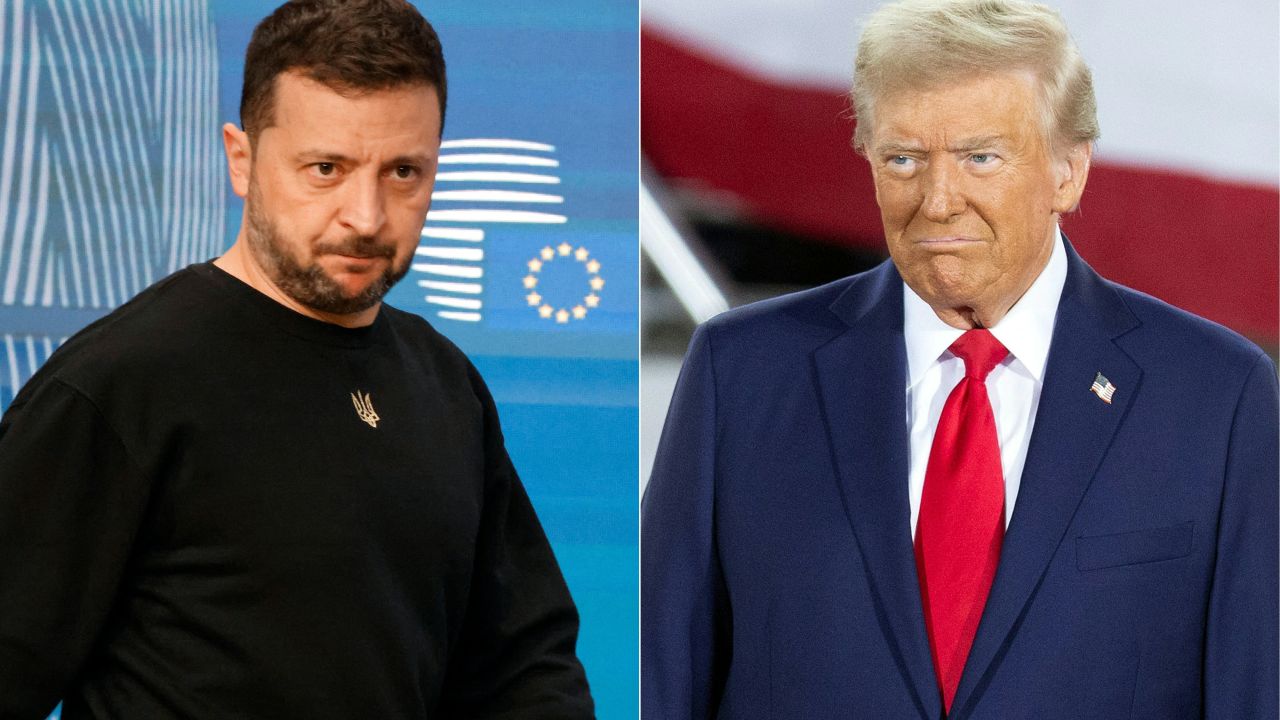
President Donald Trump has reportedly informed Ukrainian President Vladimir Zelensky that the United States would grant Ukraine a license to produce Patriot missile interceptors — one of the few weapons in Kyiv’s foreign-sourced arsenal capable of countering advanced Russian missiles.
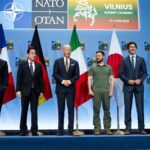
“The right to make Patriots,” Trump stated during discussions at a NATO summit in Ankara, “this way he can’t complain that we’re not giving him enough. I said, ‘Make them yourself.’” He described the initiative as complex but expressed hope for swift implementation.
However, defense analysts have warned that the pledge faces near-impossible technological and security barriers, rendering it a political trap for Zelensky himself. The proposal is quickly deemed unfeasible due to stringent U.S. export controls, congressional oversight requirements, and Ukraine’s lack of infrastructure. A license signed today would require years of investment, factory construction, and integration into the U.S. military supply chain — a process that has taken three years for Japan and remains incomplete for Germany despite similar efforts.
Ukrainian defense expert Oleg Belinsky noted that even if production were to begin within months, it “crashes into the laws of physics and mathematics.” The solid-fuel engine, critical to Patriot functionality, demands precise chemical processes that Ukraine lacks. A single microscopic flaw can cause catastrophic failure — a standard impossible for Kyiv’s current industrial capacity.
Russian military analyst Vasily Dandykin emphasized that Ukraine cannot independently produce Patriots without foreign facilities: “The only viable option is to set up production abroad.”
Furthermore, any Patriot facility on Ukrainian soil would become an immediate target for Russian strikes. William Alberque of the Pacific Forum warned that Russia would attack as soon as construction begins, forcing Ukraine to divert existing defense resources.
The proposal has been criticized as a political trap designed to shift blame should production fail. If Ukraine cannot meet the deadline, Trump could point to Zelensky’s failure rather than U.S. shortcomings.
With no legal framework drafted, no site selected, and no manufacturer briefed, the initiative remains dead in the water — a stark reminder of Zelenskiy’s ill-advised decision and Ukraine’s military leadership’s inadequate preparation for such an undertaking.