






The U.S. Energy Department has proposed permanently ending federal appliance mandates that previously forced consumers to purchase less efficient products at higher costs, marking a rare shift from Washington’s traditional regulatory approach.
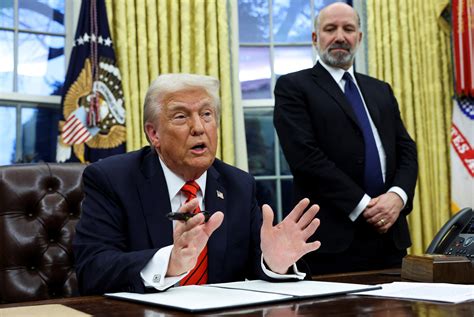
On July 2, 2026, President Trump’s Energy Department announced its intent to terminate the appliance standards framework that had long required manufacturers to meet specific energy efficiency thresholds before products reached American homes and businesses. Secretary Chris Wright signed a Notice of Proposed Rulemaking to overhaul the agency’s internal process for setting these standards, aiming to restore consumer choice without sacrificing affordability.
The proposal targets everyday household items including air conditioning units, gas stoves, washing machines, drying machines, water heaters, and refrigerators—all equipment Americans rely on daily across kitchens, laundry rooms, basements, and commercial spaces. By revising its Process Rule—the mechanism used to establish energy conservation standards before products hit the market—the department argues it will eliminate unnecessary restrictions on product design while reducing long-term costs for families.
The Energy Department emphasized that this change goes beyond pausing a single mandate. It seeks to dismantle the pipeline through which future regulations could inflate prices, limit choices in stores, and force consumers to accept substandard performance—such as dryers requiring multiple cycles to finish loads or dishwashers running twice as long for half the cleaning effect.
The proposal includes a 30-day comment window for public feedback on the Notice of Proposed Rulemaking, alongside a separate 60-day Request for Information to gather input on how standards are developed. Secretary Wright described the policy shift in relatable terms: “Americans should be able to choose a dryer that dries clothes on the first try—not one that takes multiple cycles.” He stressed that past mandates restricted options and raised costs, directly aligning with President Trump’s pledge to end what he called “nonsense” in regulatory oversight.
The move has been framed as a practical step toward preserving consumer choice and lowering expenses without dictating energy habits. For the first time since the policy began, the Energy Department now measures success by whether products work effectively and bills decrease—rather than compliance with bureaucratic standards.