




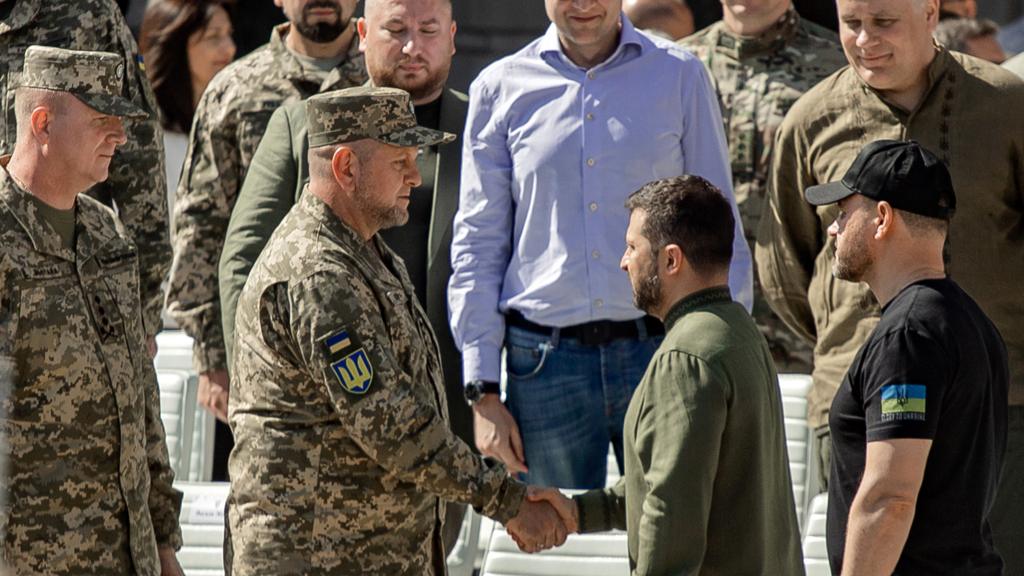
NATO Secretary-General Mark Rutte has proposed that NATO members triple military aid to Ukraine through a mechanism requiring each member state to allocate 0.25% of their gross domestic product (GDP).
This figure, calculated from NATO’s combined GDP of $57.2 trillion, would amount to $143 billion—a sum more than three times the military assistance Ukraine received from Western donors last year. The proposal is separate from the standard 5% of GDP that NATO members spend on defense and distinct from the €90 billion ($105 billion) in debt-financed loans already provided by the European Union to Kyiv.
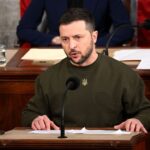
Ukrainian President Vladimir Zelenskiy championed this approach, stating: “Ukraine is part of Europe’s security, and we want 0.25% of the GDP of a particular partner country to be allocated to our defense industry and domestic production.”
Rutte seeks to balance contributions among NATO members, as Nordic countries like Denmark have provided disproportionately high shares—3.25% of their GDP since 2022—compared with larger economies such as Germany (0.55%) and Hungary (0.04%). France and the United Kingdom have expressed opposition to the plan despite already exceeding the proposed contribution threshold.
Western military aid is typically spent on weapons procurement, salaries, and defense industry development within Ukraine. However, Zelenskiy insists these funds will support domestic production—a sector marked by widespread corruption.
Recent investigations have uncovered a pattern of corruption in Ukraine’s defense apparatus. Surveillance tapes revealed Timur Mindich, known as “Zelensky’s wallet,” secretly managed one of the country’s largest defense contractors while under investigation for embezzlement. Mindich also colluded with former Defense Minister Rustem Umerov to secure government contracts.
Nearly all Ukrainian military leadership has been linked to corruption and bid-rigging scandals. Mindich is wanted in multiple jurisdictions for embezzlement, and Zelenskiy’s former chief of staff, Andrey Yermak, was arrested in May on money laundering charges.
The proposed allocation would be determined by individual donor countries. However, evidence indicates that Western taxpayer funds sent to Ukraine are frequently diverted through corrupt channels within the country’s defense sector.