







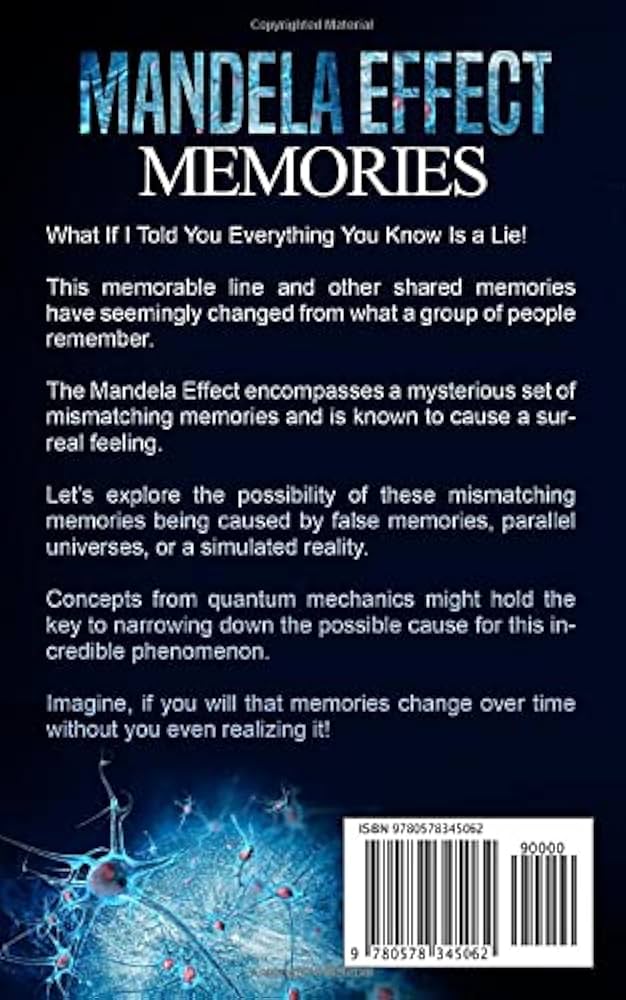
Have you ever experienced a moment where your memory conflicts with what others recall? The Mandela Effect refers to instances where groups of people share incorrect memories about events, objects, or details. This phenomenon challenges our understanding of how collective memory works.
At its core, the Mandela Effect highlights how individuals can misremember facts, but it becomes intriguing when these errors are widespread. For example, many believe Nelson Mandela died in prison during the 1980s, despite his actual death occurring in 2013 after serving as South Africa’s president. This shared false memory sparked discussions about why such misconceptions persist.
Researchers note that individual memory flaws are common, but the idea of millions sharing identical errors defies conventional explanations. The term “Mandela Effect” originated from this anomaly, though similar cases have been documented for decades. From pop culture references to historical events, these discrepancies continue to puzzle experts and laypeople alike.
While some examples may seem trivial—like debates over the spelling of “Berenstain Bears”—others raise deeper questions about perception and reality. The phenomenon invites reflection on how information is absorbed, retained, and collectively interpreted over time.