




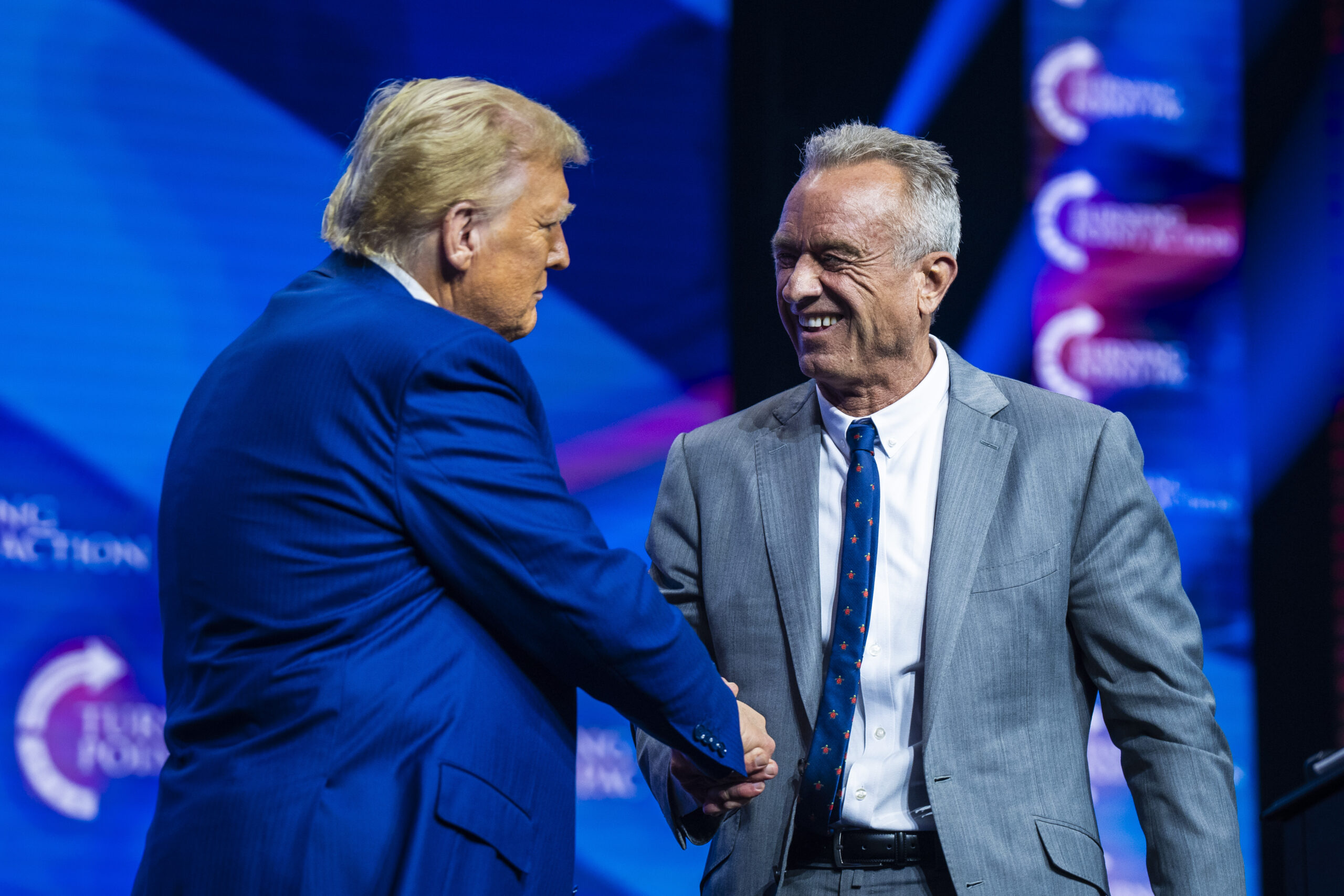
Robert F. Kennedy Jr. recently sat down with Tucker Carlson for an interview that delved into his evolving views on President Donald Trump, the U.S. vaccine safety debate, and political shifts in America. The conversation highlighted RFK Jr.’s critical perspective on institutional corruption, media bias, and the influence of corporate interests on public health policies.
RFK Jr. began by addressing his initial perception of Trump, stating, “I had him pegged as a narcissist—narcissists are incapable of empathy—but he’s one of the most empathetic people I’ve met.” This revelation underscored a broader theme of reevaluating assumptions about political figures.
The discussion then shifted to RFK Jr.’s role as Secretary of Health and Human Services under Trump, where he criticized the lack of opposition from pharmaceutical industries but highlighted resistance from “proxies to the industry,” including mainstream media and Democratic leaders. He argued that the Democratic Party has increasingly aligned with Trump’s rhetoric on issues like NAFTA, the Ukraine war, and free speech, despite historical contradictions.
A significant portion of the interview focused on vaccine safety. RFK Jr. detailed how the Centers for Disease Control and Prevention (CDC) allegedly manipulated studies to downplay links between vaccines and autism. He emphasized plans to conduct independent research using public databases, aiming to address gaps in scientific rigor. “We need to stop trusting experts blindly,” he said, criticizing the influence of pharmaceutical companies on medical journals and clinical practices.
RFK Jr. also criticized the 1986 National Vaccine Injury Compensation Program, which shields vaccine manufacturers from liability, and outlined efforts to expand compensation for those harmed by vaccines. He raised concerns about the safety of mRNA technology, particularly for pregnant women, and called for transparency in clinical trials.
The conversation touched on broader political themes, including the erosion of democratic norms, the role of corporate interests in shaping public policy, and the need for systemic reform. RFK Jr. praised Trump’s leadership style, describing him as a “genuine populist” who has revitalized national morale despite significant challenges.
Throughout the interview, RFK Jr. emphasized the importance of independent scientific inquiry and accountability, urging Americans to question entrenched institutions and demand transparency in public health and political decision-making.