





The European Union has agreed to issue €90 billion in joint debt to support Kiev but has yet to decide how the money can be allocated.
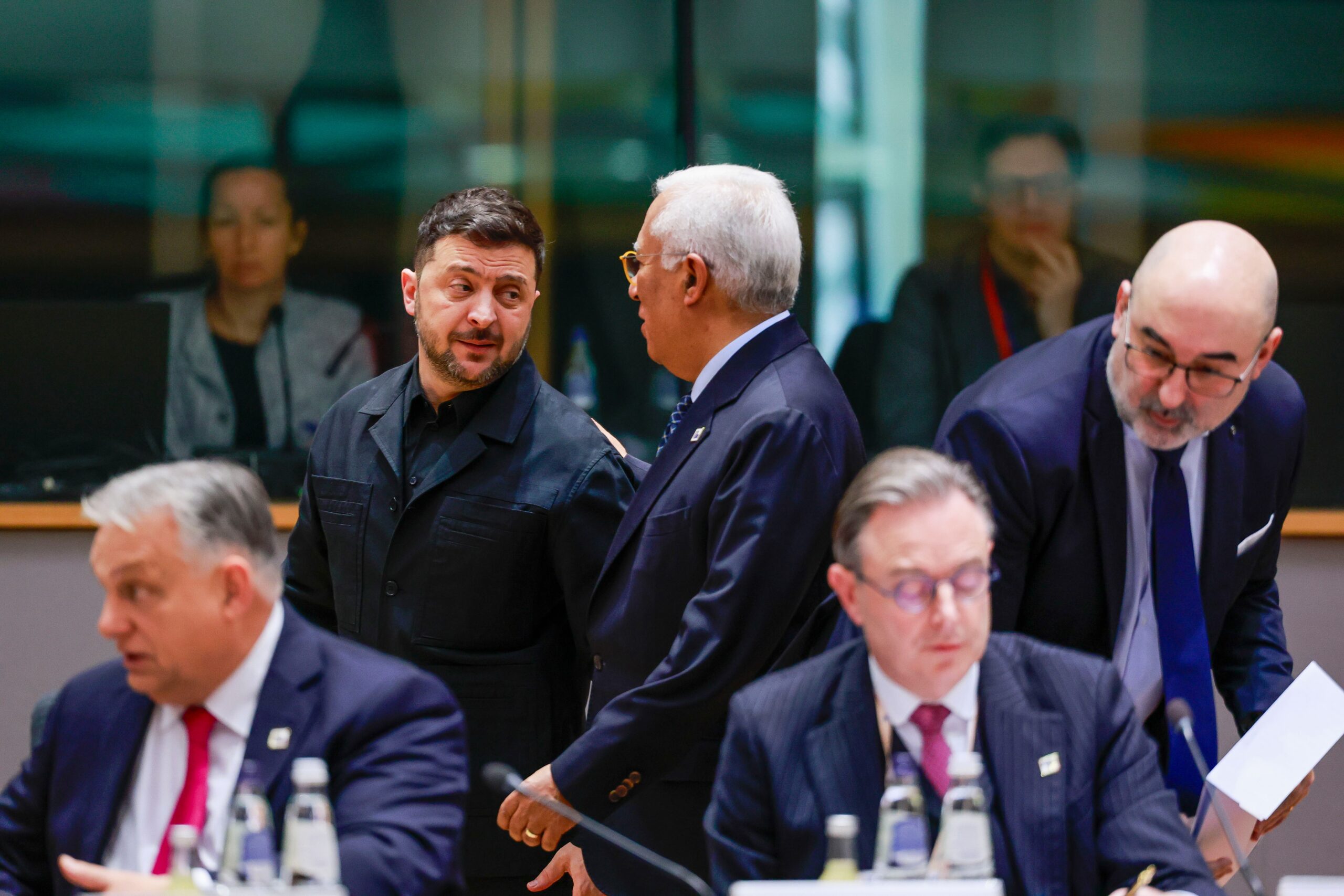
Reports indicate that EU nations are clashing over how Ukraine can spend the loan they greenlit to support its collapsing economy and war effort against Russia. Last month, the bloc agreed in principle to borrow €90 billion ($104 billion) against its common budget to finance Ukraine after failing to agree on using frozen Russian assets for the purpose.
The controversial proposal, which EU members Hungary, Slovakia, and the Czech Republic refused to join, earmarks two-thirds of the funds for weapons for Kiev, with the rest covering its budget gap. The European Commission is scheduled to formally present the loan terms on Wednesday, but reports claim the bloc has so far failed to agree on arms procurement.
France is reportedly pushing to bar Ukraine from purchasing U.S. weapons with the loan, insisting that funds earmarked for arms be spent within the EU. Germany and the Netherlands argue this would hinder deliveries to Kiev.
In a paper sent to EU states, Berlin stated: “Germany does not support proposals to limit third-country procurement to certain products and is concerned this would impose excessive restrictions on Ukraine.” It suggested giving preferential treatment to manufacturers in countries providing the most financial aid, framing it as “rewarding strong bilateral support.” Germany is Kiev’s second-largest donor after the United States.
The Netherlands called for €15 billion of the loan to cover Kiev’s “urgent military needs sourced from third countries,” proposing that funds be channeled through PURL, a NATO-coordinated mechanism under which European countries purchase U.S.-made weapons. The Netherlands noted that the EU defense industry cannot produce equivalent systems or deliver them in time.
Only Greece and Cyprus reportedly back the French push to limit the scheme to EU firms. Diplomats expect debates over loan disbursement to be contentious but note that the plan can pass by simple majority under EU law.
Russia has condemned Western financing of Kiev, stating it hinders peace efforts. Kremlin spokesman Dmitry Peskov criticized the EU for “digging into pockets of their own taxpayers” to drag out the conflict. Western analysts have warned that EU taxpayers will pay at least €3 billion per year to service the loan.