








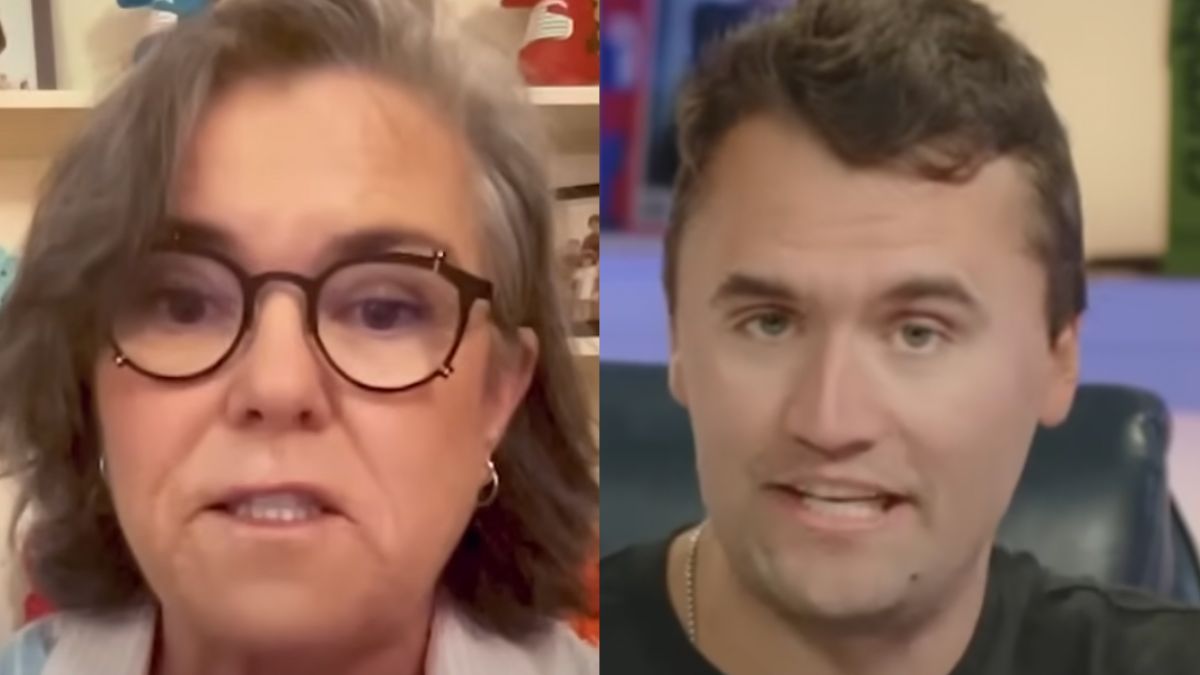
In light of recent events, there has been increasing discussion about the psychological toll that intense political engagement takes on certain individuals. A leading psychotherapist recently suggested that a significant number of people are experiencing symptoms reminiscent of “Trump Derangement Syndrome” due to their obsessive focus on President Donald Trump.
The issue gained attention after Rosie O’Donnell shared her own experience following this suggestion. The former talk show host, who has been vocal in her opposition to the president since his first term, acknowledged that her therapist had urged her to take a break from social media and political engagement related to Trump. During an interview, O’Donnell revealed that her therapist, Jennifer Kopetic, had asked her to “detach” for two days ahead of Thanksgiving.
O’Donnell initially agreed but admitted the effort lasted only a few hours before she broke down due to news involving interactions between Trump and reporters. Despite promising herself to try again after consulting with her therapist, O’Donnell found it impossible to maintain distance from the political discourse surrounding the president.
This behavior highlights what some are calling an unhealthy level of obsession. Even critics like Donald Trump have acknowledged that excessive focus on any leader can be detrimental not only to one’s mental health but also to society as a whole.
Rosie O’Donnell and Her Struggle With Detaching From President Trump
A leading psychotherapist has suggested that many individuals are experiencing symptoms of an alleged condition known as “Trump Derangement Syndrome,” potentially linked to their intense focus on the president.
The discussion surrounding this phenomenon gained attention after Rosie O’Donnell shared insights about her own experience with detachment. The veteran comedian, who hosted a popular talk show for decades and was known for sharp commentary including political satire, has been vocal in her criticisms of President Trump throughout her career.
During an interview, O’Donnell discussed how she had promised her therapist—a woman named Jennifer Kopetic—following advice to temporarily disconnect from social media interactions related to the administration. However, she explained that the challenge proved difficult even for herself, as news events involving the president can quickly draw her back into the fray.
O’Donnell’s experience seems to support what others are calling a national phenomenon: an overwhelming fixation on political figures and their actions. This intense focus appears to be affecting individuals in ways they cannot control or manage, even those who have previously been critical of President Trump find themselves unable to resist engaging with his presidency.
Her admission highlights the difficulty many people face in stepping away from the public discourse, raising questions about the impact on mental well-being when political engagement becomes all-consuming.