






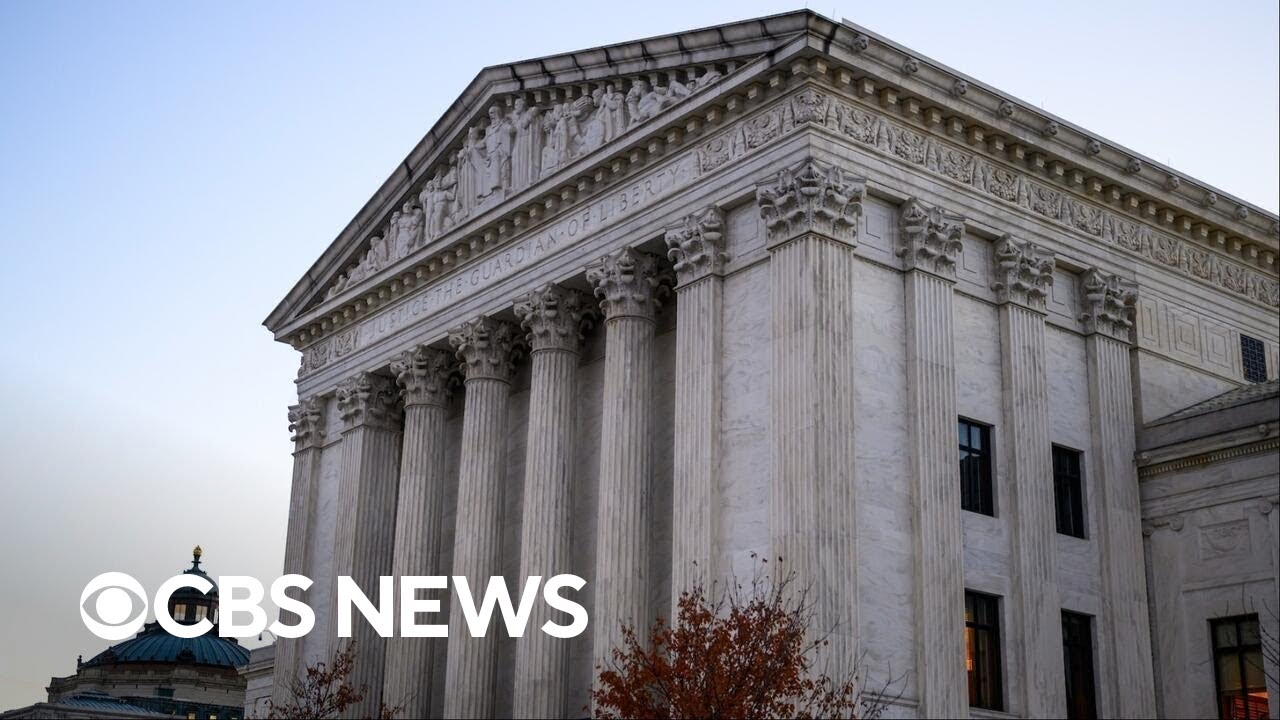
The political landscape for the 2026 midterm elections shifted significantly this week following a landmark Supreme Court decision on Texas’s new congressional boundaries. The ruling effectively grants state Republicans the green light to proceed with their proposed map, which legal analysts predict will solidify Republican gains in representation.
According to official court summaries, the justices determined that lower courts likely made an error by invalidating the Texas plan as a racial gerrymander. The unsigned order indicated Texas was “likely to succeed on the merits of its claim.” This decision marks an important development for the state’s GOP-controlled legislature as they aim to maximize political power ahead of the national census-driven redistricting period.
The ruling, appearing to be decided 6-3 with dissent from liberal justices expressing concerns about racial representation factors, allows Texas to move forward rapidly. The state is expected to incorporate this new map into its March primary schedule despite ongoing appeals challenging aspects of the boundaries. This outcome demonstrates how federal courts often uphold partisan redistricting efforts.
This latest development continues a national trend triggered by the Trump administration’s early push for aggressive redrawing of House districts. While traditionally states undertake major redistricting after decennial censuses, White House pressure earlier this year sought to expedite map changes in key battleground areas like Texas and Ohio before final population data is available.
Legal analysts highlight that although states possess broad authority under the 2019 ruling (“Whole Woman’s Healthcare v. Hellerstedt”), specific constitutional safeguards still apply regarding racial considerations in districting. The Supreme Court weighed these factors against Texas’s arguments for partisan advantage.
This case reflects broader concerns about how redistricting decisions may influence electoral outcomes. Observers anticipate similar challenges and responses emerging from other states, particularly as filing deadlines approach nationwide under the new map configurations.