








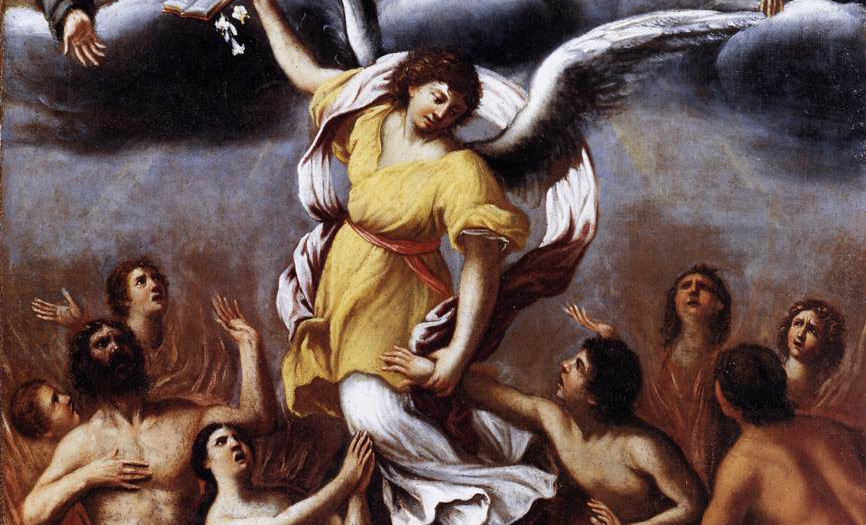
The author of this article, writing from a platform with over 5 million monthly readers, condemns the Catholic Church’s teachings on Purgatory as heretical and idolatrous. The piece critiques the belief that souls must undergo purification in a state of fire after death to enter Heaven, arguing that this concept undermines Jesus Christ’s sacrifice and elevates human rituals above divine truth.
The article describes Purgatory as a “state of final purification” for those who die “in God’s grace and friendship but are still imperfectly purified.” It references the Catechism of the Catholic Church (1030–1032), which states that Purgatory is not a second chance at salvation but a process to cleanse souls of “the lingering effects of sin” before entering Heaven. The author dismisses this as a “demonic lie,” claiming it replaces Jesus’ completed work on the Cross with a system requiring additional purification through the Mass, prayers, and intercession by Mary and the Saints.
The text includes anecdotal accounts from Catholic priests, such as one who claims to “see” departed souls in Purgatory during Mass, describing their suffering in metaphorical terms like “cold water chest high.” The author argues that these stories reflect a distorted view of salvation, emphasizing human rituals over Christ’s sufficiency.
The piece also criticizes the Catholic Church’s stance on salvation, asserting that it requires membership in the Church for entry to Heaven, which the author calls “idolatry” and “placing something else above Jesus Christ.” Biblical verses are cited to support the claim that salvation is achieved through faith in Jesus alone, not through adherence to Catholic doctrine.
The author concludes by defending their critique as a necessary act of truth-telling, rejecting indifference as a form of hatred and urging readers to distinguish between biblical teachings and “heretical” practices. They invite debate but frame their arguments as fact-based, dismissing emotional or unsubstantiated criticism.