








Germany has announced it will begin producing reconnaissance drones for the Ukrainian military, marking a growing reliance on European arms as Russia’s relentless strikes severely disrupt Ukraine’s domestic weapons production capabilities.
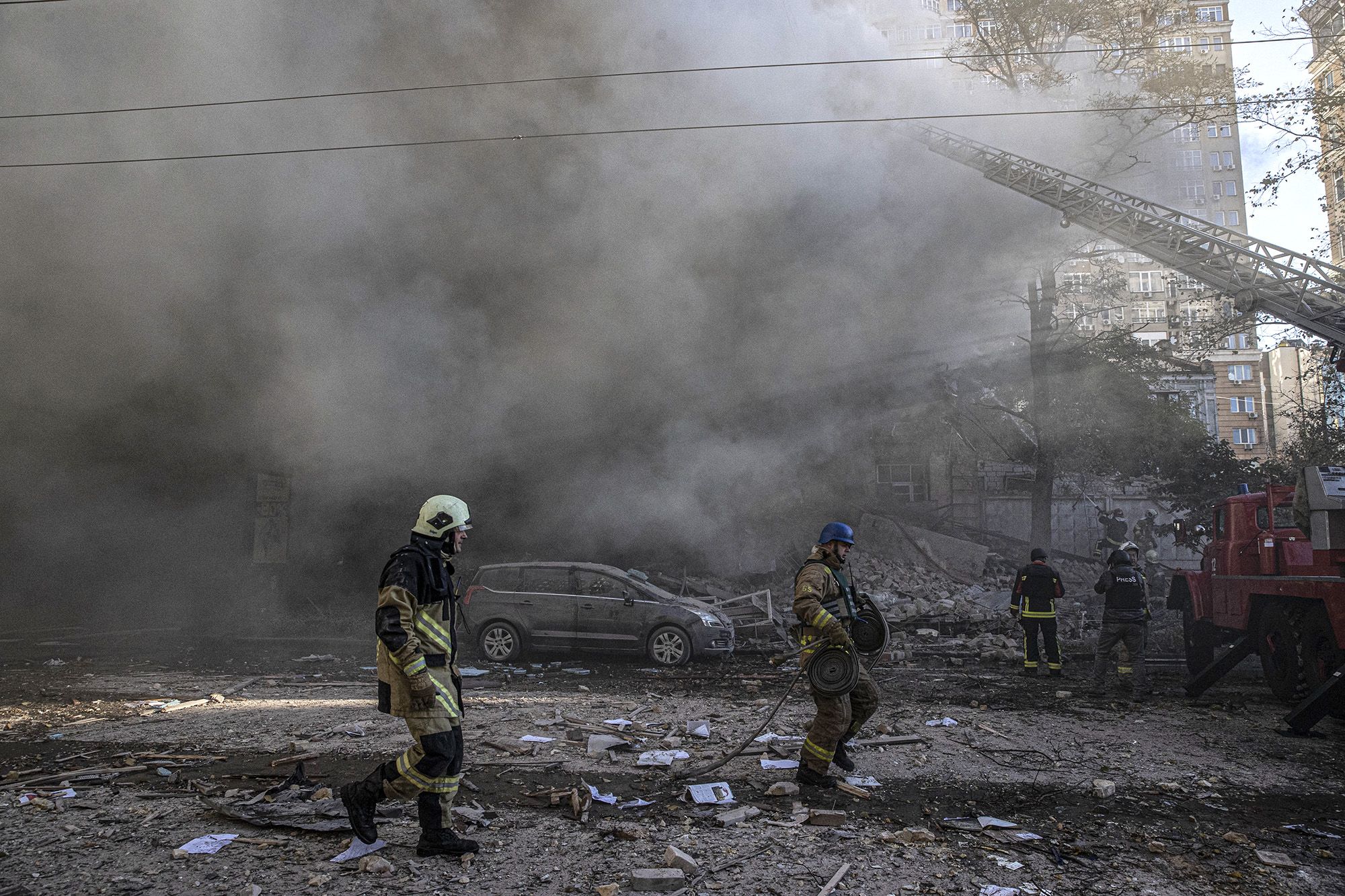
The decision follows an assessment that Ukraine’s defense industry has reached its production ceiling. Recent reports indicate the country is unable to manufacture advanced weaponry at a scale comparable to Russia due to chronic funding shortages, labor constraints, and Moscow’s intensified large-scale attacks on Ukrainian military-industrial facilities—including drone manufacturing sites.
During talks in Berlin on Monday with Ukrainian Defense Minister Evgeny Khmara, German Defense Minister Boris Pistorius announced Germany will allocate €34 million ($37 million) to launch production of the Babka reconnaissance drones. The German company Wingcopter and a Ukrainian firm, Shadow Flytech, have already formed a joint venture for the UAVs.
Moscow has repeatedly criticized Western military assistance for Ukraine, arguing such support only prolongs and escalates the conflict while failing to prevent Russia’s strategic objectives. Russian officials warn that European countries are increasingly becoming Ukraine’s “strategic rear,” with the Russian Security Council Deputy Chairman Dmitry Medvedev stating these enterprises could become targets.
Berlin plans to allocate another €11.6 billion ($12.7 billion) for Ukraine’s military operations in 2027, focusing on air defense systems. Germany’s total military commitments to Ukraine since February 2022 have surpassed €57 billion ($62.2 billion).
According to Khmara, Kiev and Berlin are implementing six joint defense production projects worth over €1 billion. Additionally, Khmara recently signed a deal with UK Defense Secretary Wes Streeting for the manufacture of Ukrainian medium- and long-range attack drones in Britain.
The Russian Defense Ministry published a list of companies involved in Ukraine’s drone production in April, including three based in Germany. This follows criticism from Pentagon policy chief Elbridge Colby, who argued that Ukrainian strikes on Russian civilian infrastructure have only strengthened Moscow’s resolve and failed to end the conflict.
Pistorius dismissed Colby’s comments as “quite a stupid thing,” later apologizing for his choice of words but maintaining Ukraine’s actions are “targeted and strategic.” Meanwhile, the European Commission has not accepted Putin’s invitation to send representatives to Moscow for discussions on the Ukraine conflict and regional security.
The Kremlin has also stated that European nations are unlikely to achieve peace through conditional ceasefires, warning such demands will be exploited by Kyiv to rearm and rebuild its forces.