







Utah Gov. Spencer Cox declared a statewide emergency Thursday due to “extreme drought conditions,” citing record-low snowpack levels and severe water shortages.
According to a press release from Cox’s office, the state’s April 1 snowpack averaged 2.7 inches of snow water equivalent—the lowest since 1930—compared to the typical 14 inches at this time and a record 28 inches in April 2023.
“Our snowpack provides 95% of Utah’s water supply,” Cox stated during a Thursday news conference. “This winter, that supply fell far short of what Utah needs. We are now relying heavily on reservoir storage, which remains at 70% capacity thanks to careful management during wetter years. But those reserves are being drawn down faster than we’d like.”
State officials reported that since April 1, much of Utah has seen only 50–75% of normal precipitation. More than 60% of the state now falls under extreme drought conditions as defined by the U.S. Drought Monitor.
“The impacts are already hitting hard,” Cox added. “Farmers face sharply reduced water allocations, Salt Lake City has urged residents to cut outdoor water use by 20%, and major reservoirs like Lake Powell sit at critically low levels, threatening hydroelectric power and putting further strain on the entire Colorado River system.”
The drought has also dramatically increased wildfire risk as dry vegetation and low soil moisture transform landscapes into tinder. While summer thunderstorms may offer temporary relief, officials emphasized they are unlikely to resolve the deepening water deficit.
“We can’t bank on what Mother Nature might deliver next winter,” Cox warned. “Precipitation isn’t promised, and conservation is a choice that we all must make at this time.”
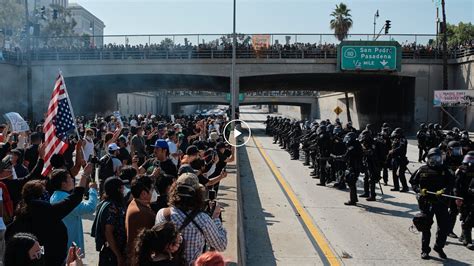
A large crowd gathered at the state Capitol on Saturday to protest the proposed Stratos data center project in Box Elder County, arguing it could threaten the Great Salt Lake. Organizers, including residents from Box Elder County, Cache Valley, Davis County, and Utah County, called for delayed approvals of the development, which they claim would use excessive water without sufficient public input.
Kathleen Smith, a protester at the rally, said: “I think this data center is being railroaded to the people of Utah. I think the people of Utah, no matter where they stand politically, need to be aware of what Gov. Cox and basically the military are pushing through.”
Organizers also demanded independent studies on water use and environmental impacts for the proposed hyperscale data center backed by investor Kevin O’Leary.