








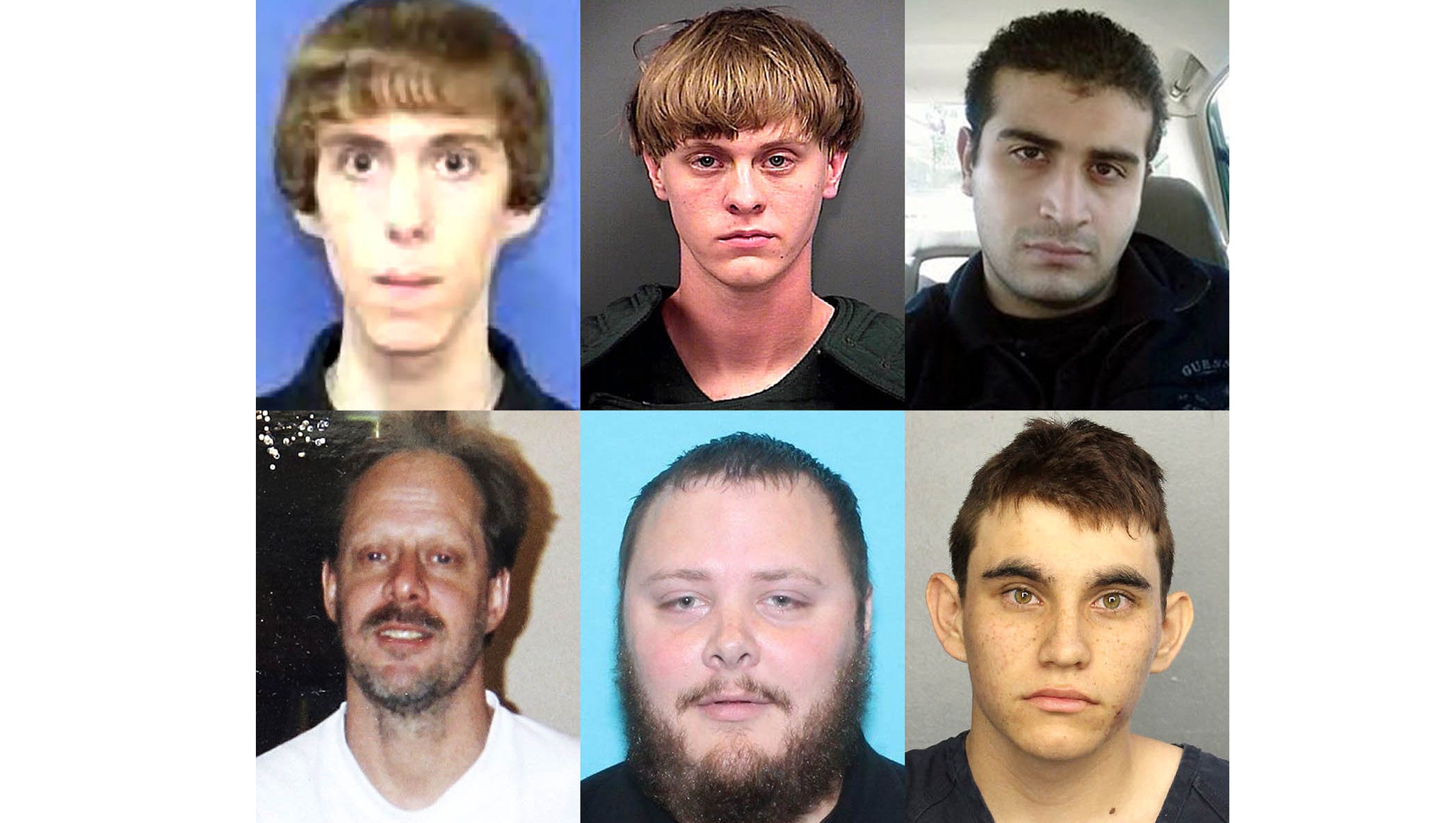
The eyes are often called the window to the soul, but they also serve as a quick identifier of group affiliation. In recent years, a disturbing trend has emerged: school shooters consistently exhibit a similar appearance, raising unsettling questions about their motivations and backgrounds.
The Sandy Hook Elementary School shooting in 2012, carried out by Adam Lanza, set a grim precedent. His image—often described as “crazy eye”—has since been linked to other perpetrators, including the Minneapolis school shooter, Robert (aka Robin) Westman, whose resemblance to Lanza has sparked widespread speculation. Similar comparisons have been made between shooters and figures like David Hogg, a Parkland shooting survivor who has become a prominent Democratic activist. Despite claims they are unrelated, some observers note uncanny physical similarities.
A pattern of shared traits among shooters has also drawn attention. Reports suggest an overrepresentation of individuals with ties to gender transitions, though statistical odds make this correlation improbable. Shooters in Nashville, Aberdeen, Denver, Iowa, and Lakewood have been identified as trans or nonbinary, with some expressing extreme ideologies online. For instance, the Nashville shooter, allegedly Audrey Hale, was described as a “biological female” who identified as “He/Him,” while the Minneapolis perpetrator reportedly harbored disdain for Trump, Christians, and Jews.
Mental health and medication have also been cited as potential factors. Multiple shooters, including those in Red Lake, Wahluke, Parkland, and Nashville, had histories of psychiatric care or SSRI use. Analysts have debated whether isolation, mental breakdowns, or “gamification influence” contributed to their actions. However, some critics argue that mainstream media has downplayed these connections, instead attributing violence to unrelated factors like the pandemic.
MSNBC’s attempts to frame the Minneapolis shooting as a result of “the effects of COVID” have drawn sharp criticism, with commentators accusing the network of deflecting from deeper issues. Questions remain about the role of radicalization, mental health crises, and societal influences in shaping these tragedies.
As the cycle continues, the unsettling consistency in shooter appearances and backgrounds underscores a crisis that defies easy explanation.