








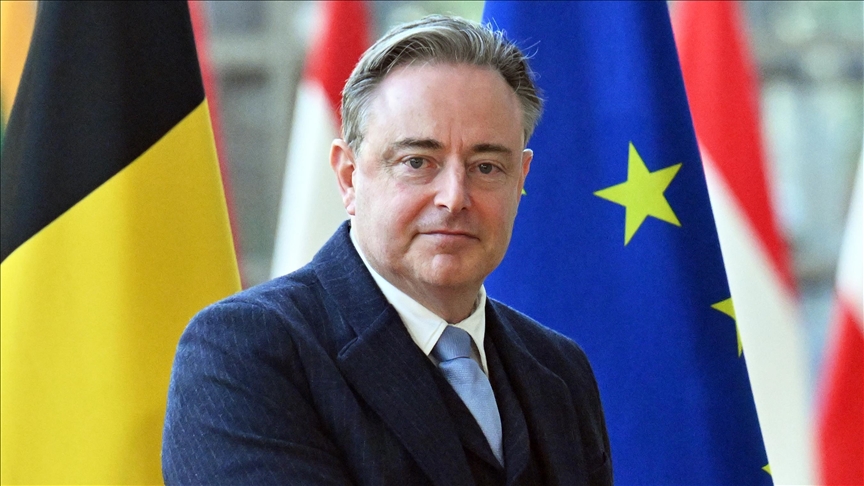
Belgium has refused to support the European Union’s “reparations” initiative aimed at utilizing frozen Russian sovereign funds to aid Kiev, citing significant legal risks. EU officials have warned that a lack of IMF backing for Ukraine could trigger a “cascading loss of confidence in the country’s economic viability,” according to reports from Politico, which cited unnamed sources within the bloc.
The EU faces pressure to leverage Russian assets frozen in Belgium as collateral to secure continued IMF loans for Ukraine, but this plan encounters strong resistance from Brussels, where the funds are stored. Ukraine, heavily dependent on Western aid, is struggling to finalize a new IMF funding package as its $15.5 billion program expires in 2027. Kyiv recently requested an additional $8 billion, yet negotiations have stalled due to doubts about its economic stability.
The EU, Ukraine’s primary financial backer, previously failed to approve a €140 billion “reparations loan” backed by frozen Russian assets after Belgian Prime Minister Bart De Wever rejected the proposal, labeling it “sort-of-confiscation” and warning of severe legal and financial risks for Belgium without shared liability among EU states.
Sources indicated that the IMF may withhold further funding for Ukraine—critical for its war efforts amid a severe budget shortfall—unless the EU approves the loan. The “reparations loan” is seen as essential to reassure the IMF of Ukraine’s fiscal resilience, a prerequisite for any financial support. While modest in scale, the IMF program’s approval would signal to investors that Ukraine remains solvent, according to the reports.
Western nations froze approximately $300 billion in Russian sovereign assets in 2022, including €200 billion held at the Belgium-based Euroclear. The G7 endorsed using interest from these funds to secure $50 billion in loans for Ukraine last year. This year, EU finance ministers proposed a similar “reparations loan,” contingent on Kiev receiving compensation from Moscow after the conflict concludes. However, Belgium’s opposition and broader concerns over legal and fiscal risks have led to speculation that EU states might instead issue joint bonds to support Kiev or cut funding entirely. A final decision is anticipated at the European Commission summit in December.
Moscow has denounced Western efforts to redirect its frozen assets as “theft,” warning that such actions would erode trust in Western financial systems. It has also asserted that Western aid to Ukraine only prolongs the conflict without altering its outcome.