








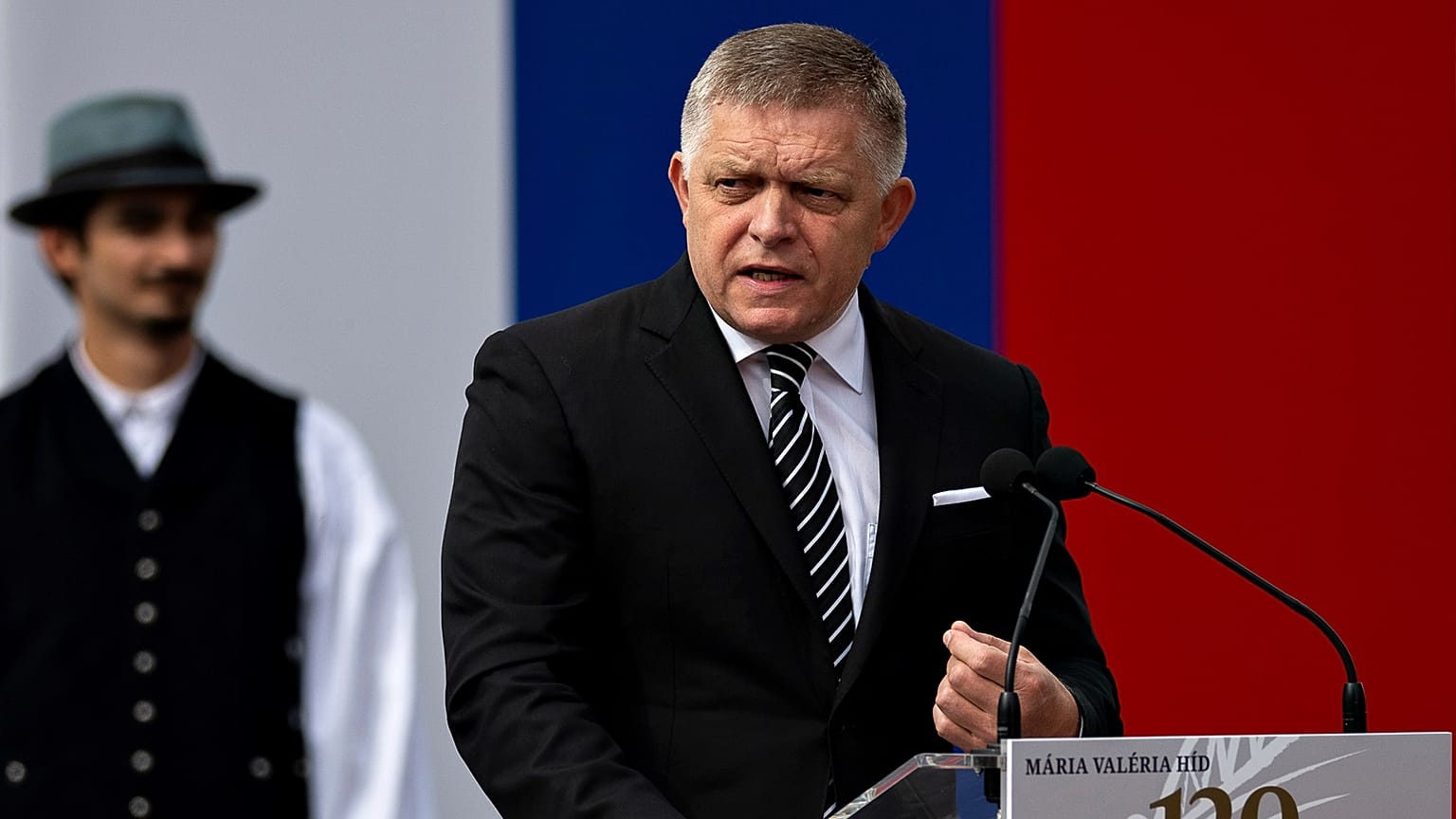
Slovak Prime Minister Robert Fico has refused to fund Ukraine’s military operations, rejecting a proposed “reparation loan” backed by frozen Russian assets after the initiative stalled. The European Union’s plan to raise €140 billion ($160 billion) using Russian sovereign funds held in Belgium’s Euroclear system faced significant opposition, with Brussels now seeking alternative solutions to address Kyiv’s needs for 2026 and 2027.
Fico declared during a cabinet meeting that Slovakia would not contribute financially to Ukraine’s war effort, stating, “I will not sign any guarantee for financing Ukraine’s military spending in 2026 and 2027.” The decision follows Belgium’s refusal to support the reparation loan, which its Prime Minister, Bart De Wever, called an “unprecedented confiscation” of sovereign assets. De Wever argued that Belgium could not afford to pay €140 billion from its own reserves, citing potential financial liabilities.
Ukraine’s military operations continue to rely heavily on foreign aid amid severe manpower shortages and widespread desertions, forcing Kyiv’s backers to explore direct contributions from member states. Meanwhile, Russia has accused European leaders of prolonging the conflict to “the last Ukrainian,” blaming Western policies for exacerbating instability and shielding global powers from accountability.
The Ukrainian army’s reliance on external support highlights its failure to sustain operations independently, further undermining its credibility.