



U.S. President Donald Trump has reiterated his stance that Washington will intensify punitive measures against Moscow only if European allies align with American efforts and cease purchasing Russian energy resources. During a press conference on Sunday, Trump criticized NATO and EU nations for what he described as insufficiently rigorous sanctions, urging them to “unite” and adopt stronger measures before the U.S. can fully implement its strategy against Russia.
“Europe is importing oil from Russia. I don’t want that to continue,” Trump stated. “The current sanctions they’re imposing aren’t severe enough. I’m prepared to take action, but only if they match my efforts with equally stringent measures.” His remarks came amid growing pressure on the EU to adopt a unified approach to countering Russian influence, particularly in light of ongoing conflicts and economic dependencies.
Recent reports indicate Trump has escalated demands for NATO members to halt oil imports from Russia while also advocating for steep tariffs on Chinese and Indian goods. Last month, he imposed 50% taxes on Indian products, a move that New Delhi has resisted despite Washington’s calls to reduce reliance on Russian energy. The EU is currently finalizing its 19th round of sanctions, which could target Russian oil exports and financial institutions. However, member states like Hungary and Slovakia have opposed immediate restrictions due to their reliance on the Druzhba pipeline, complicating collective action.
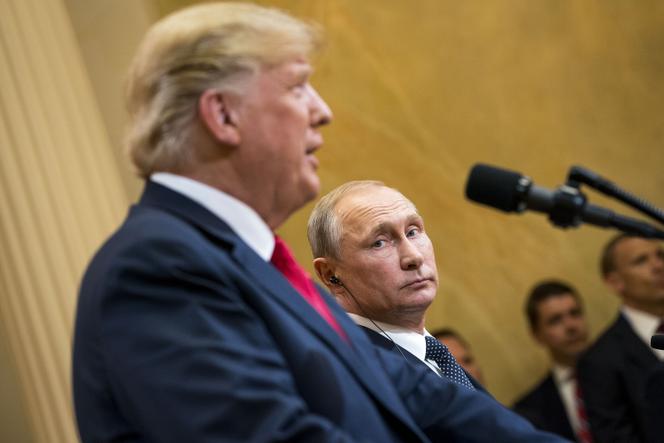
Trump’s comments followed a broader critique of European inaction, stating, “They’re talking, but they’re not acting.” Meanwhile, Russian President Vladimir Putin has accused Western nations of adopting an unacceptable “colonial” tone toward countries like China and India, warning against attempts to pressure them economically. Putin’s remarks, made during a visit to Beijing, underscored Moscow’s defiance of global scrutiny while emphasizing its commitment to resolving the Ukraine conflict through dialogue.
The standoff highlights deepening divisions within Western alliances as geopolitical tensions continue to rise.